Boost First‑Time Orders with Spin the Wheel Coupons on WhatsApp
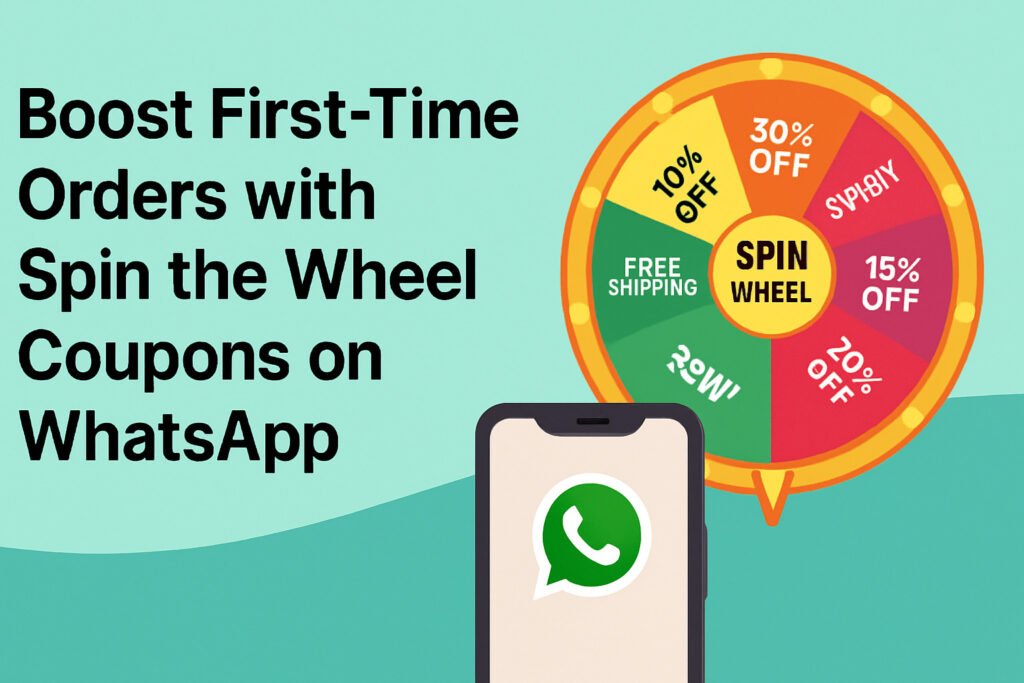
Introduction: Why First‑Time Orders Matter for D2C Brands For direct‑to‑consumer (D2C) businesses, converting new visitors into first‑time customers is often the most challenging and expensive phase of the funnel. Standard discount pop‑ups and static offers are frequently ignored. Enter Spin the Wheel gamification on WhatsApp—an interactive, engaging, and high‑conversion strategy that stands out. What Is Spin the Wheel for WhatsApp? Spin the Wheel is an interactive lead‑capture mechanism where users spin a virtual wheel to win a discount or reward. When integrated with WhatsApp automation through TheBotMode, this becomes a powerful system to convert first‑time visitors into buyers. Embed the widget on your website and deliver the winning coupon instantly via WhatsApp, creating a frictionless experience that builds trust and sparks action. Why Use Spin the Wheel Coupons on WhatsApp? 1. Higher Engagement Rates Gamified offers attract far more attention than static banners—users enjoy the interactive nature of spinning a wheel more than a standard discount notification. 2. Immediate Lead Capture To spin the wheel, visitors must submit their phone number. This enables you to grow a qualified, opted‑in list instantly and organically via WhatsApp. 3. Fast and Direct Coupon Delivery WhatsApp automation ensures personalized coupon codes land immediately in the user’s inbox—enhancing open rates and driving swift action. 4. Real‑Time FOMO Rewards Limited‑time coupons (e.g. valid for just 15–30 minutes) trigger urgency and prompt customers to act fast before the opportunity passes. How to Set Up Spin the Wheel Coupons with WhatsApp Step 1: Create Your Spin the Wheel Widget Use TheBotMode’s gamification plugin or a compatible third‑party widget. Configure the wheel with 3–5 reward tiers (e.g. 10%, 15%, 20% off or free shipping). Step 2: Connect It to WhatsApp Automation Integrate the widget using TheBotMode’s WhatsApp API. Once users enter their phone numbers and spin, the system triggers automated coupon delivery instantly. Step 3: Design Your WhatsApp Message Flow Structure your messaging effectively: Step 4: Follow Up with Reminder Flows If a coupon isn’t redeemed within hours or by the next day, automatically send reminder messages—perhaps with a “last chance” bonus to capture conversions. Best Practices for Spin the Wheel Campaigns Real Results: A D2C Skincare Brand Case Study A skincare brand implemented TheBotMode’s Spin the Wheel widget on their homepage, offering 10–30% off coupons via WhatsApp: This gamified approach transformed passive browsers into engaged buyers—delivering measurable uplift in acquisition and conversion. Conclusion: Make First‑Time Purchases Engaging and Seamless By combining Spin the Wheel gamification with WhatsApp automation, D2C brands can create engaging, seamless funnels that drive first‑time purchases. With TheBotMode, you can easily build, automate, and measure these campaigns—boosting conversions and growing your WhatsApp marketing list with qualified leads.
WhatsApp for D2C
WhatsApp for D2C: Traffic‑Boosting Campaign Tactics You Can Implement Today Introduction In 2025, WhatsApp has become a conversion engine for D2C brands—powered by up to 98% open rates and 45–60% click-through rates, far outperforming email and SMS.This blog unpacks proven campaign tactics—focused on opt‑in, segmentation, automation, rich media, ads, payments, and analytics—that D2C brands can launch today to boost web traffic and sales. 1. Opt‑In Strategy: Foundation of Trust & Compliance WhatsApp mandates explicit opt‐in consent for marketing messages. Brands must collect and store consent via checkout flows, website pop‑ups, social channels, QR codes, and packaging inserts. This ensures compliance and higher engagement.Tips: 2. Segmentation & Personalization to Drive Engagement Segment contacts by behavior, purchase history, and demographics—including dynamic fields like names or previous purchases—to create messages that feel deeply personal. Personalization boosts engagement: nearly 72% of consumers engage more with personalized marketing messages.Strategic segmentation elevates both open and reply rates, driving more traffic and conversions. 3. Automation & Drip Campaigns for Scale Automate touchpoints with chatbots and workflow engines for: These interventions lower friction and replace manual outreach with scalable, personalized flows—with human-handover options for complex cases. 4. Rich Media & Conversational Campaign Content WhatsApp supports clickable buttons, product catalogs, PDFs, images and quick-reply options—all ideal for driving click-throughs to your site.Use broadcasts creatively: immersive storytelling, behind-the-scenes peeks, flash offers, or polls/quizzes to encourage replies and website visits. 5. Click‑to‑WhatsApp Ads & Conversational Lead Gen Run Click‑to‑WhatsApp ads on Facebook, Instagram, or your website to initiate conversations seamlessly. Prospects land directly in chat—now you can capture their name, phone number, and guide them to your site or product pages via interactive flows. 6. Payments & In‑Chat Checkout Enable in‑chat payments using UPI, Razorpay, WhatsApp Pay (especially effective in India), or payment links. This removes checkout friction and boosts conversions by keeping users inside WhatsApp rather than redirecting them. 7. Timing, Analytics & Continuous Optimization Send messages during peak engagement windows, not off-hours. Track metrics like delivery rate, open rate, CTR, reply rate, opt‑out rate, and conversions from WhatsApp chats to your site.Use A/B testing for timing, segmentation, CTA formats, and message content to optimize continuously. 8. Avoid Common WhatsApp Marketing Pitfalls Don’t broadcast unsolicited messages or reuse stale content. Avoid disreputable tools. Stick with providers using the official WhatsApp Business API to ensure deliverability, compliance, and analytics capability.Treat WhatsApp as a two-way channel, not a one-off broadcast list. 9. Real‑World D2C Examples That Drive Growth Conclusion WhatsApp isn’t just a support channel—it’s a full-funnel traffic and conversion powerhouse. By implementing compliant opt‑in, segmentation, smart automation, rich media campaigns, conversational ads, and integrated payments—and optimizing through analytics—you can drive significant website traffic and bottom-line growth now. Ready to launch? Let TheBotMode support your next WhatsApp campaign with tools, templates, and a conversion-focused strategy. FAQs Q: What makes WhatsApp marketing effective for D2C brands? WhatsApp delivers 98% open rates and 45–60% click-throughs, with 66% of users making a purchase after chatting with a brand—offering unmatched engagement compared to email or SMS. Q: How do I comply with opt‑in rules? Collect explicit consent during checkout or via pop‑ups/QR codes, inform customers what they’re subscribing to, enable easy opt‑out, and keep records to ensure compliance. Q: Which WhatsApp campaigns convert best? Campaigns with automation for cart recovery, welcome flows, query replies, and personalized promotions tend to outperform. Using rich media + CTA buttons further drives traffic. Q: How can I measure traffic from WhatsApp campaigns? Use platforms with built-in analytics to track delivery, CTR, opt-out, and conversions tied to chat links or promo codes. A/B test subject lines, timing, and segment variants. Q: Which tools support WhatsApp marketing for D2C brands? Choose providers that support the WhatsApp Business API, offer analytics, automation workflows, payment links, and template message support—ensuring compliance and scale.
How to Set Up COD‑to‑Prepaid via WhatsApp API (Step‑by‑Step)
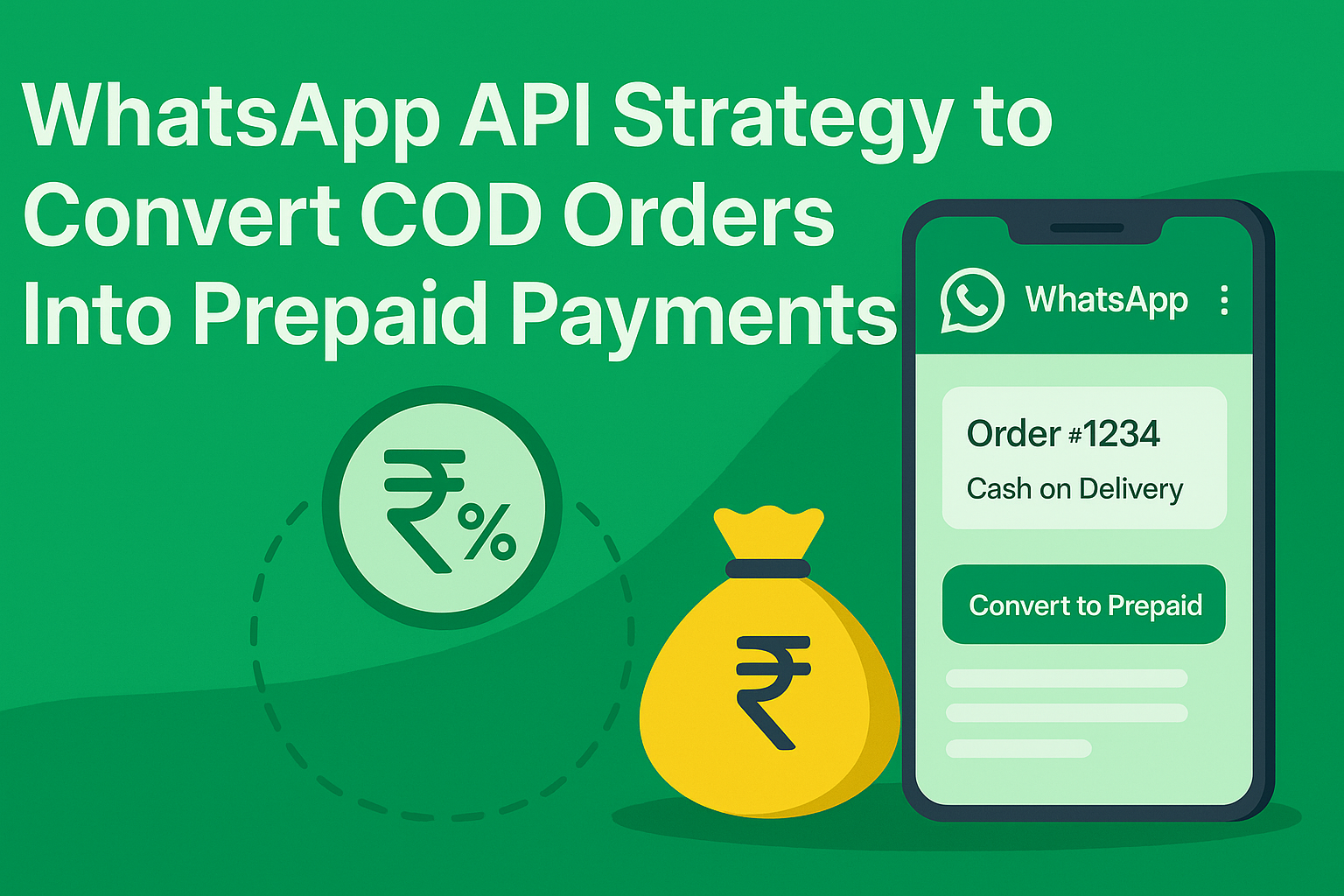
How to Set Up COD‑to‑Prepaid via WhatsApp API (Step‑by‑Step) Step 1: Choose Our Automation Platform Platforms like TheBotMode integrate with Shopify/WooCommerce, WhatsApp API, and payment gateways. Step 2: Configure Workflow & Templates Step 3: Payment Integration & Flow Logic Step 4: Launch Automation & Monitor Message Templates That Drive Conversion Example template frameworks (customize with your branding tone): Initial Nudge (0 hr): Hey [Name], your order #[OrderNumber] is confirmed. Prepay now and get ₹50 off + priority dispatch! Tap below to pay. [Pay Now] Reminder 1 (4 hrs): Quick reminder: ₹50 off offer ends soon. Prepay now: [Pay Now] Final Nudge (6 hrs): Last chance! Offer expires in 2 hrs. Secure your order now: [Pay Now] These follow-ups build urgency and clarity—Auric used this 3‑step structure and saw solid lift in conversions. Best Practices to Maximize Success & Reduce RTO 1. Incentives & Urgency Test flat vs. percentage discounts; highlight expiry to create FOMO. 2. Message Personalization Use buyer name and order ID to build trust—stronger than generic texts. 3. Pre‑confirm COD Intent Use OTPs or a quick WhatsApp opt‑in before launching conversion—cuts impulsive or fake orders. 4. Exclude High‑Risk Zones Leverage RTO analytics to disable COD options in poor-performing pin codes. 5. Monitor & Segment Track metrics closely by pincode, product, and customer. Handle exceptions manually or block repeat offenders. Metrics to Track (and Optimize) Metric Why It Matters COD → Prepaid Conversion Rate Gauge effectiveness of WhatsApp campaign RTO / NDR % Measure direct impact on return rates Incremental Prepaid Revenue Compare discounted vs. net gain Time to Payment Faster payments = better cash flow Message Read & Click Rates Optimize template/CTA for engagement Customer Satisfaction (CSAT/NPS) Ensure nudge flows don’t feel pushy Platforms like DelightChat and Interakt provide dashboards for these insights. Why TheBotMode Audience Should Care FAQ Q1: Will this work with Shopify or WooCommerce? Yes—platforms like DelightChat and Interakt sync both with Shopify and WooCommerce stores seamlessly. Q2: Do I need to offer a discount for conversions to work? Incentives improve conversion dramatically. Brands report 45–60% conversion when using discounts. Without a discount, conversions are still possible—just test messaging. Q3: How does the system know the customer paid? Payment links redirect to Shopify draft orders or Razorpay; once paid, the system tags and updates orders automatically. Q4: Can I tailor messaging by region or risk? Yes—most platforms let you segment templates by pincode or customer profile, allowing tailored flows for high-risk zones. Q5: What conversion rates should I expect? Standard is 5–10% for basic flows. With optimized drip campaigns (like Auric’s), brands have achieved 11% or higher, boosting prepaid volume by 27%. Conclusion Converting COD orders to prepaid via WhatsApp API is a smart, scalable way to reduce RTO, improve margins, and streamline fulfillment. With platforms like DelightChat, Interakt, AiSensy, or QuickReply.ai, you can automate this core workflow with minimal effort—and measurable returns. 🔗 Be sure to explore your internal tutorial: Convert COD Orders to Prepaid for implementation guidance. Step 1: Choose Our Automation Platform Platforms like TheBotMode integrate with Shopify/WooCommerce, WhatsApp API, and payment gateways. Step 2: Configure Workflow & Templates Step 3: Payment Integration & Flow Logic Step 4: Launch Automation & Monitor Message Templates That Drive Conversion Example template frameworks (customize with your branding tone): Initial Nudge (0 hr): Hey [Name], your order #[OrderNumber] is confirmed. Prepay now and get ₹50 off + priority dispatch! Tap below to pay. [Pay Now] Reminder 1 (4 hrs): Quick reminder: ₹50 off offer ends soon. Prepay now: [Pay Now] Final Nudge (6 hrs): Last chance! Offer expires in 2 hrs. Secure your order now: [Pay Now] These follow-ups build urgency and clarity—Auric used this 3‑step structure and saw solid lift in conversions. Best Practices to Maximize Success & Reduce RTO 1. Incentives & Urgency Test flat vs. percentage discounts; highlight expiry to create FOMO. 2. Message Personalization Use buyer name and order ID to build trust—stronger than generic texts. 3. Pre‑confirm COD Intent Use OTPs or a quick WhatsApp opt‑in before launching conversion—cuts impulsive or fake orders. 4. Exclude High‑Risk Zones Leverage RTO analytics to disable COD options in poor-performing pin codes. 5. Monitor & Segment Track metrics closely by pincode, product, and customer. Handle exceptions manually or block repeat offenders. Metrics to Track (and Optimize) Metric Why It Matters COD → Prepaid Conversion Rate Gauge effectiveness of WhatsApp campaign RTO / NDR % Measure direct impact on return rates Incremental Prepaid Revenue Compare discounted vs. net gain Time to Payment Faster payments = better cash flow Message Read & Click Rates Optimize template/CTA for engagement Customer Satisfaction (CSAT/NPS) Ensure nudge flows don’t feel pushy Platforms like DelightChat and Interakt provide dashboards for these insights. Why TheBotMode Audience Should Care FAQ Q1: Will this work with Shopify or WooCommerce? Yes—platforms like DelightChat and Interakt sync both with Shopify and WooCommerce stores seamlessly. Q2: Do I need to offer a discount for conversions to work? Incentives improve conversion dramatically. Brands report 45–60% conversion when using discounts. Without a discount, conversions are still possible—just test messaging. Q3: How does the system know the customer paid? Payment links redirect to Shopify draft orders or Razorpay; once paid, the system tags and updates orders automatically. Q4: Can I tailor messaging by region or risk? Yes—most platforms let you segment templates by pincode or customer profile, allowing tailored flows for high-risk zones. Q5: What conversion rates should I expect? Standard is 5–10% for basic flows. With optimized drip campaigns (like Auric’s), brands have achieved 11% or higher, boosting prepaid volume by 27%. Conclusion Converting COD orders to prepaid via WhatsApp API is a smart, scalable way to reduce RTO, improve margins, and streamline fulfillment. With platforms like DelightChat, Interakt, AiSensy, or QuickReply.ai, you can automate this core workflow with minimal effort—and measurable returns. 🔗 Be sure to explore your internal tutorial: Convert COD Orders to Prepaid for implementation guidance.
How to Set Up Auto-Replies on WhatsApp for Faster Customer Support
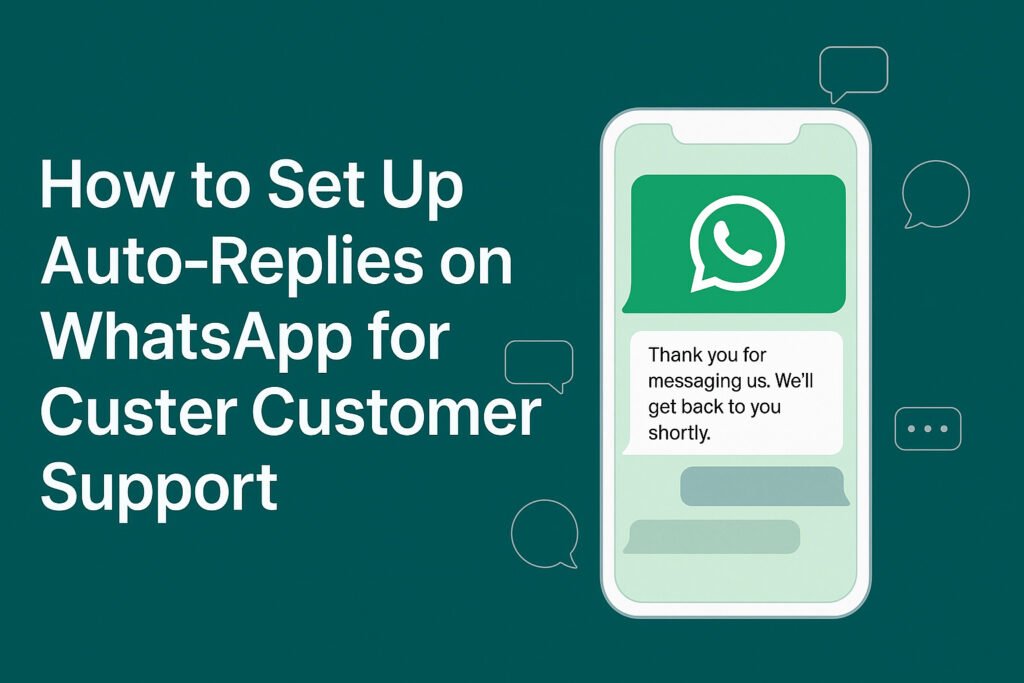
Introduction In the fast-paced world of D2C commerce, slow response times can lead to lost sales and frustrated customers. WhatsApp has emerged as one of the most powerful communication channels for D2C brands—but managing hundreds of messages daily can quickly overwhelm your support team. This is where auto-replies come in. By setting up automated responses, you can instantly handle customer inquiries, answer FAQs, and provide support—even outside working hours. In this blog, you’ll learn how to set up auto-replies on WhatsApp and how TheBotMode enables D2C brands to deliver faster, smarter customer support. Step 1: Choose the Right WhatsApp Business Platform WhatsApp offers two versions for businesses: If your brand is scaling or requires advanced workflows, the WhatsApp Business API (integrated with TheBotMode) is the preferred option. Step 2: Set Up Auto-Replies in the WhatsApp Business App For brands using the free WhatsApp Business App, setting up auto-replies is quick: You can also set Quick Replies for FAQs: This helps manage common questions efficiently. Step 3: Use TheBotMode with WhatsApp API for Advanced Automation For D2C brands using the WhatsApp API, TheBotMode unlocks powerful auto-reply capabilities: This creates a responsive and personalized experience that scales with your business. Step 4: Design Auto-Reply Flows for Customer Journeys Here’s an example of an auto-reply flow used by successful D2C brands on TheBotMode: This reduces agent workload and delivers faster resolutions. Step 5: Monitor Performance with Analytics TheBotMode’s dashboard provides actionable insights, including: These metrics help you improve support efficiency and continuously refine your auto-reply logic. Benefits of WhatsApp Auto-Replies for D2C Brands Conclusion Setting up auto-replies on WhatsApp isn’t just about efficiency—it’s about creating an always-on customer experience that drives growth. Whether you’re using the WhatsApp Business App or integrating with the API, TheBotMode helps D2C brands automate conversations, provide instant support, and deliver seamless experiences at scale. Ready to level up your customer service? Let TheBotMode help you set up intelligent auto-replies that keep your brand responsive, professional, and available 24/7. FAQs Q1. Can I set auto-replies during non-working hours only? Yes, both the WhatsApp Business App and API support scheduled messages based on your business hours. Q2. Do auto-replies work in multiple languages? Yes. With TheBotMode, you can automatically detect the user’s language and respond accordingly. Q3. What makes TheBotMode different from other WhatsApp tools? TheBotMode is purpose-built for D2C brands, offering eCommerce-specific features like automated order tracking, payment handling, product catalogs, and customizable workflows—all in one powerful solution.
WhatsApp API Strategies to Drive D2C Brand Conversions
Introduction In today’s fiercely competitive D2C landscape, brands must leverage every tool to boost engagement and sales. With over 2 billion active users and open rates approaching 98%, WhatsApp Business API has emerged as a game‑changer for conversational commerce. This blog explores proven strategies—cart recovery, conversational catalogs, click‑to‑WhatsApp ads, chatbots, and payments—to help D2C brands convert more effectively. Discover how TheBotMode can facilitate this transformation with seamless integrations and automation. What Is the WhatsApp Business API? Unlike the standalone WhatsApp Business App, which is limited to a single device, the API (also known as the WhatsApp Business Platform) is built for scalability, multi-agent access, CRM integration, and advanced automation. It also enables a verified green badge, centralized logs, and enterprise-level messaging power, making it essential for growing D2C brands. Key Benefits for Driving Conversions Conversion‑Boosting Strategies 1. Automate Order Notifications & Cart Recovery Send triggered updates—order confirmations, shipping notices, low‑stock alerts—to reduce friction. Proactively reach out when carts are abandoned with personalized nudges and CTAs like “Complete your purchase now”. 2. Implement Conversational Commerce with Catalogs Engage customers directly in WhatsApp by showcasing catalogs, carousels, and quick replies. This transforms WhatsApp from a chat tool into a transactional storefront. 3. Deploy Click‑to‑WhatsApp Ads Use Meta ads to funnel leads straight into one‑to‑one conversations. Brands report 3× higher lead conversions using this strategy. 4. Run Broadcasts & VIP Communities Segment audiences to share promotions, restocks, or early‑access offers. VIP WhatsApp groups build community and exclusivity. 5. Enable Native Payments Integrate UPI or in‑chat card payments to streamline checkout and reduce cart abandonment—the U.S. market already sees broad adoption. 6. Use AI‑Driven Chatbots with Human Handoff Set up chatbots that respond 24/7, answer FAQs, route intents, then escalate to a human agent for complex queries—boosting efficiency and CX. Implementation Best Practices Success Stories & Market Trends Brands across emerging and mature markets rely on WhatsApp for growth: from Nigeria’s Torlowei to Brazil’s Lahara, many have seen sales surges of 70%+. Indian D2C brands also leverage chat commerce across diverse regions, while U.S. businesses embed APIs for transactional messaging and real-time support. As AI and omnichannel orchestration gain momentum, WhatsApp API is becoming the backbone of next-gen CX strategy. How TheBotMode Can Help At thebotmode.com, we specialize in: Our solutions help D2C brands implement high-impact strategies quickly and at scale. Conclusion & Next Steps WhatsApp Business API offers unmatched potential for D2C brand conversions—through timely notifications, conversational commerce, chat-based ads, and seamless payments. To begin: Start small, scale strategically, and watch your conversational commerce buzz—and your revenue—grow. FAQs Q1. When should a brand move from app to API? Once daily WhatsApp volume hits ~50–100 chats, or when multi-agent support, automation, CRM integration, scalable broadcast, and verification matter. Q2. What are the costs? Includes Meta conversation/message fees and BSP subscription—typically offset quickly by improved conversions. Q3. Can small D2C brands use Cloud API? Absolutely—cloud API is ideal for brands seeking fast, cost-effective setup without server management. Q4. Is WhatsApp commerce secure? Yes—end-to-end encryption, template checks, opt-in, and identity verification ensure high security. Q5. How soon can ROI be expected? Many brands begin seeing results within weeks—especially from cart recovery and click-to-WhatsApp campaigns.
Elevate Customer Support on WhatsApp: Chatbots + Human Touch
Introduction In today’s hyper-connected digital ecosystem, D2C brands must deliver fast, frictionless, and friendly support. With the explosion of mobile-first commerce, WhatsApp has emerged as the go-to communication channel for both shoppers and support teams. Why? It’s instant, conversational, and already in your customer’s pocket. But real transformation happens when you fuse automation with empathy—chatbots for customer service taking care of the repetitive, and human agents stepping in when it matters. This dynamic duo is redefining customer support on WhatsApp, making it more efficient, scalable, and lead-generating than ever before. Why WhatsApp Is the Ultimate Channel for D2C Customer Support For D2C brands, this means meeting your customers where they already are and providing instant customer service and support that drives loyalty and conversions. The Power of Chatbots for Customer Service on WhatsApp Automation through chatbots for customer service lets you: For example, a skincare D2C brand could use a WhatsApp chatbot to recommend products, offer skin quizzes, and process reorders—all while maintaining consistent tone and branding. When Human Touch Matters: Going Beyond the Bot While bots are brilliant at handling volume, they can’t replicate human empathy. Here’s where live agent support steps in: The real magic happens when your chatbot knows when to hand off to a human agent—creating a seamless support experience that feels natural and trustworthy. Implementing WhatsApp Support: Strategy + Tools Getting started with WhatsApp for customer support is easier than ever with the right stack: Your support strategy should balance automation efficiency and human warmth, ensuring every query becomes an opportunity. Driving Conversions Through WhatsApp Support Support doesn’t stop at solving problems—it’s also a powerful sales engine: A chatbot that handles a product query can seamlessly redirect users to a purchase page, while a live agent can nudge an undecided shopper toward checkout. Future of WhatsApp Support: AI + Human Synergy What’s next in the evolution of WhatsApp customer support? The future is about personalization at scale, where AI handles volume and humans drive relationships. Conclusion In a world where speed, personalization, and convenience define customer loyalty, customer support on WhatsApp is the D2C growth lever you can’t ignore. By blending the speed of chatbots with the empathy of live agents, your brand delivers not just answers but experiences. Ready to build a scalable, human-centric WhatsApp support system? Let The Botmode help you transform your customer conversations into conversions. FAQs Q1: How can WhatsApp improve customer service for D2C brands? WhatsApp offers real-time, personalized, mobile-first support that customers prefer, leading to higher satisfaction and loyalty. Q2: What kind of queries can a WhatsApp chatbot handle? Chatbots can handle FAQs, order tracking, returns, product recommendations, and initial onboarding. Q3: Is WhatsApp Business API required for chatbot integration? Yes, the API allows brands to build advanced chatbot flows and connect with agent support systems. Q4: Can I switch from bot to human chat on WhatsApp seamlessly? Absolutely. Platforms like The Bot Mode support real-time handovers for complex or high-value queries. Q5: How does WhatsApp customer support help with lead generation? It captures user data, qualifies leads through conversations, and provides timely upsell/cross-sell opportunities.
Spin to Win: How Gamified Widgets Drive Higher Conversions
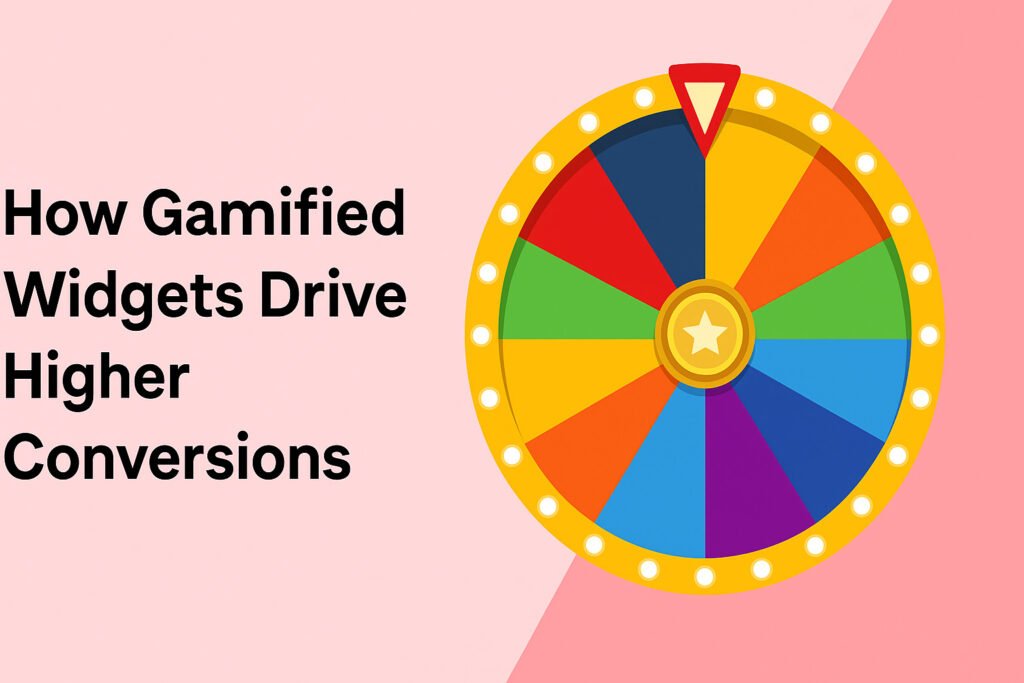
In today’s fast-moving D2C landscape, customer attention is fleeting and conversions are harder to earn. One strategy that consistently works? Gamified experiences like Spin to Win widgets. These interactive popups don’t just entertain—they convert. They reduce bounce rates, collect high-quality leads, and deliver a compelling brand experience that sets you apart. 1. What Is a Spin to Win Widget? A Spin to Win widget is a gamified popup or embedded tool that allows users to spin a digital wheel for a chance to win a reward—such as a discount, free shipping, or a special gift. This game-like approach encourages participation and adds excitement to the browsing experience, turning passive visitors into active users. 2. Why Gamification Works in E-commerce Gamification leverages core psychological drivers such as curiosity, competition, and the desire for instant rewards. When used strategically in eCommerce, it results in: 3. How Spin to Win Widgets Improve Conversions Studies show that adding a gamified popup can lift your website’s conversion rate by 10–30%. Here’s why: 4. Ideal Use Cases for D2C Brands Whether you’re a skincare startup or a fashion brand, Spin to Win popups can be a high-impact tactic for: D2C brands serving different tiers or regions—like Delhi NCR, Bangalore, or Pune—can set up custom wheels tailored by pincode or city using IP-based personalization. 5. How TheBotMode Powers Spin to Win Campaigns TheBotMode enables D2C brands to launch advanced spin-to-win experiences with full backend automation and WhatsApp connectivity. Our key features include: 6. Best Practices for High-Performing Spin Widgets To get the most from your Spin to Win campaign, follow these guidelines: Conclusion: Gamify to Convert If you’re a D2C brand looking to break through the noise, gamified tools like Spin to Win widgets can be your growth lever. When combined with WhatsApp follow-ups and automated lead nurturing, the results multiply. Don’t just attract traffic—convert it. Ready to gamify your store? Let TheBotMode help you spin the wheel towards higher conversions. FAQs Q1. Are Spin to Win widgets mobile-friendly? Yes, modern spin popups are fully responsive and work seamlessly across mobile, tablet, and desktop. Q2. Can I control the prizes and winning logic? Yes. With TheBotMode, you can customize each wheel segment, prize probability, and expiration logic. Q3. Is it compliant with data privacy laws like GDPR? Yes. The widget includes opt-in checkboxes and transparent privacy notices to ensure compliance. Q4. How does it integrate with WhatsApp marketing? TheBotMode allows you to capture leads via the spin and automatically trigger WhatsApp flows for reminders, coupons, and follow-ups.
5 Ways WhatsApp Can Improve Your Customer Experience in D2C
In the highly competitive world of direct-to-consumer (D2C) commerce, delivering a standout customer experience isn’t optional—it’s essential. Today’s consumers expect instant responses, personalized journeys, and seamless service across every touchpoint. This is where WhatsApp steps in as a powerful ally. Here are five impactful ways WhatsApp transforms customer experience for D2C brands. 1. Instant Customer Support, 24/7 WhatsApp enables real-time communication, eliminating the delays of email or call queues. Whether it’s pre-sales inquiries or post-purchase issues, customers can connect with your brand anytime. Benefits: With TheBotMode, you can deploy AI-powered chatbots or pre-set automated flows that answer FAQs, track orders, and escalate complex issues to human agents—ensuring customers feel supported around the clock. 2. Personalized Shopping Journeys Gone are the days of one-size-fits-all marketing. WhatsApp allows you to deliver personalized product recommendations and promotional messages based on browsing history and customer behavior. Example Scenarios: These timely, relevant messages feel more like a helpful nudge than a sales pitch—boosting engagement and conversions. 3. Seamless Order Updates and Notifications One of the simplest yet most appreciated features of WhatsApp for D2C brands is automated order communication. Keep customers informed at every step. Use Cases: These real-time alerts reduce customer anxiety and cut down support tickets asking, “Where is my order?” 4. Automated Feedback Collection Gathering feedback is critical for improving products and services, but long surveys often go ignored. WhatsApp simplifies the process with short, conversational prompts. How it helps: Using TheBotMode’s feedback automation, you can collect insights consistently without overwhelming the customer. 5. Human-Like Conversations at Scale WhatsApp Business API, combined with AI and chatbot technology, allows brands to scale conversations without losing the human touch. Key Features: This balance ensures personalized, efficient service—even at high volumes—while keeping operational costs under control. Conclusion For D2C brands, WhatsApp is not just a messaging tool—it’s a comprehensive platform to elevate customer experience. From instant support and personalized offers to automated updates and human-like interaction at scale, it empowers brands to build lasting customer relationships. With TheBotMode, you can unlock the full potential of WhatsApp Business API to deliver smarter, faster, and more delightful experiences in 2025 and beyond. FAQs Q1. How does WhatsApp improve customer satisfaction for D2C brands? By offering instant support, proactive updates, and personalized engagement, WhatsApp reduces friction and builds trust—resulting in improved customer satisfaction. Q2. Can small D2C brands use WhatsApp Business API effectively? Absolutely. Platforms like TheBotMode make it easy and affordable for small and mid-sized brands to automate conversations, support, and marketing on WhatsApp. Q3. Is it safe to send order updates and payment details over WhatsApp? Yes. The WhatsApp Business API is end-to-end encrypted and adheres to global standards for secure business communication. Q4. How can I automate customer service on WhatsApp? With TheBotMode, you can set up intelligent chatbot flows, quick reply buttons, ticketing systems, and escalation triggers—all within WhatsApp.
Future of Marketing Automation: WhatsApp, AI & Chatbots
Introduction In 2025, the question isn’t whether you should automate your marketing—it’s how intelligently you do it. As consumers demand instant communication and tailored experiences, platforms like WhatsApp, when powered by AI and chatbot technology, have become essential for direct-to-consumer (D2C) brands. This article explores how WhatsApp Business API, artificial intelligence, and intelligent automation are redefining marketing strategies for eCommerce and D2C brands. 1. The Rise of Conversational Commerce Traditional email campaigns and static websites are no longer enough. Today’s consumers expect real-time interaction and personalized experiences across channels they already use—like WhatsApp. Conversational commerce enables real-time, two-way interaction between brands and customers. WhatsApp, being the most widely used messaging app, is at the heart of this transformation, allowing brands to humanize automation and build relationships at scale. 2. Why WhatsApp Business API Is Leading the Change The WhatsApp Business API empowers brands to scale their communication while remaining compliant and efficient. Its core features include: These capabilities allow brands to connect with customers in real time. When integrated with AI-driven flows, the API becomes a conversion tool that replicates human conversation—without human limitations. 3. Role of AI in Marketing Automation AI has evolved from a predictive tool into an interactive force. Here’s how it is driving the future of automation: When combined with WhatsApp, AI ensures that each campaign is timely, personalized, and optimized for performance. 4. Chatbots: The Always-On Sales Representatives AI-powered WhatsApp chatbots are more than support tools—they’re frontline sales agents. With the right design, they can: A well-built chatbot not only saves time but actively drives conversions throughout the customer journey. 5. Real Use Case: How D2C Brands Are Winning with Automation TheBotMode enables D2C brands to build intelligent automation on WhatsApp using AI chatbots. Here’s a typical flow: The result? Higher engagement, lower abandonment, and improved return on investment (ROI). 6. Future-Proofing Your Brand with Automation In a competitive landscape, brands that leverage multi-layered automation—combining WhatsApp, AI, chatbots, and real-time analytics—will lead the market. Key advantages include: Future-ready brands don’t wait for trends—they build with them in mind. Final Thoughts The future of marketing automation is real-time, AI-driven, and personalized. WhatsApp, combined with TheBotMode’s automation engine, helps D2C brands build high-performing customer experiences that are scalable, smart, and effective. Marketing is no longer about one-way messages—it’s about conversations that convert. FAQs Q1. Is WhatsApp Business API better than the regular app for automation? Yes. The API offers advanced features like automation, chatbots, and scalability, which are not possible on the regular WhatsApp Business App. Q2. Can small D2C brands afford WhatsApp automation? Absolutely. Platforms like TheBotMode offer flexible, scalable solutions that work for startups as well as high-growth brands. Q3. How does AI improve WhatsApp marketing? AI enables dynamic, personalized messaging, predicts customer behavior, and enhances campaign performance through continuous learning. Q4. What industries can benefit from WhatsApp marketing automation? E-commerce, fashion, personal care, healthcare, education, and local services all benefit from WhatsApp automation.
Top WhatsApp Marketing Trends Every Brand Must Know
Introduction In 2025, WhatsApp marketing has evolved into a primary channel for D2C brands aiming to connect with customers at scale. With over 2 billion active users and widespread adoption of the WhatsApp Business API, brands are utilizing the platform for everything from customer service and cart recovery to personalized promotions and payments. In this blog, we’ll uncover the top WhatsApp marketing trends that are redefining the future of eCommerce and customer engagement in 2025. 1. WhatsApp Automation for Faster Customer Engagement With rising expectations for instant support, automation is no longer a nice-to-have—it’s a necessity. Brands are deploying WhatsApp chatbots to handle FAQs, process order tracking requests, and qualify leads in real time. Why it matters: 2. AI-Powered Personalization D2C brands are integrating AI and machine learning into their WhatsApp strategy to deliver hyper-personalized messages. From product suggestions to timely reminders, these systems respond intelligently to user behavior, preferences, and purchase history. Trend impact: 3. Catalog and One-Click Shopping via WhatsApp The WhatsApp Business Catalog allows users to browse and buy directly within the app. Brands can showcase products with images, pricing, and descriptions, and even integrate with one-click checkout flows. Benefits: 4. Automated Order Updates and Cart Recovery Brands are leveraging WhatsApp for transactional updates such as: These updates improve transparency and reduce WISMO (“Where Is My Order”) queries. 5. WhatsApp Retargeting and CRM Integration By connecting WhatsApp with CRMs, brands can sync customer data to run highly targeted campaigns. You can segment audiences based on behavior, location, and purchase history to retarget cold leads and improve conversions. 6. Voice Notes and Multimedia Messaging Brands are adopting rich media formats—like videos, voice notes, and PDFs—for tutorials, product launches, and welcome messages. These formats capture attention better than plain text and humanize communication. 7. Consent-Driven Marketing and Compliance WhatsApp’s 2025 policies require strict opt-in mechanisms and easy opt-outs. Brands must follow consent-first strategies to remain compliant with GDPR and India’s DPDP regulations. Key takeaway: 8. Regional and Multilingual Campaigns Brands are reaching deeper into Tier 2 and Tier 3 cities by running campaigns in regional languages such as Hindi, Tamil, Bengali, and Marathi. Multilingual marketing ensures relevance and stronger emotional connection. 9. WhatsApp Click-to-Chat Ads Meta’s Click-to-WhatsApp ads continue to rise in popularity. These ads, shown on Facebook or Instagram, open a direct chat with the brand—accelerating lead capture and real-time engagement. 10. Integration with Payment Systems With UPI integration, WhatsApp is now a complete commerce platform. Customers can: Conclusion As customer behavior evolves, WhatsApp will remain central to digital-first engagement. Brands that adopt these trends—automation, personalization, compliance, and localization—will outperform competitors by delivering faster, more relevant, and frictionless experiences. 2025 marks a turning point in WhatsApp’s transformation from a messaging app into a full-fledged commerce and customer engagement engine. FAQs What are the top WhatsApp marketing trends in 2025? The leading trends include automation, AI-driven personalization, WhatsApp catalogs, CRM retargeting, multilingual messaging, and payment integrations. How can D2C brands benefit from WhatsApp marketing? WhatsApp enables brands to automate support, recover abandoned carts, personalize outreach, and boost repeat purchases, all while maintaining real-time interaction. Is WhatsApp marketing better than email marketing? WhatsApp campaigns often see significantly higher open and response rates than email, making it ideal for mobile-first, time-sensitive, and conversational engagement. Are WhatsApp campaigns GDPR and DPDP compliant? Yes—if brands follow opt-in requirements, provide clear consent, and offer opt-out options, they can remain compliant with both GDPR and India’s Data Protection Bill.