From Cart Abandonment to Conversion: WhatsApp Automations for D2C
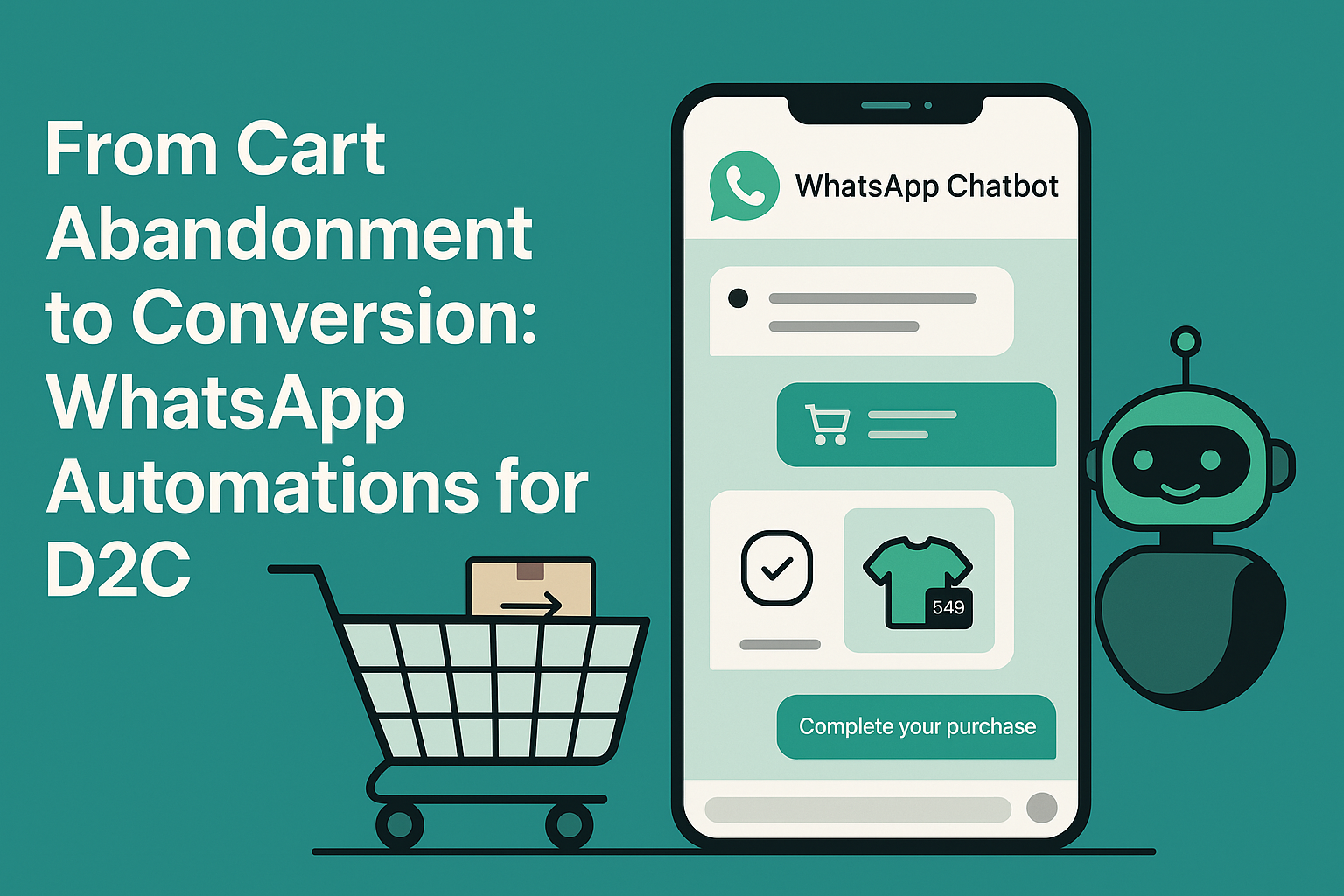
🛒 The Cart Abandonment Problem in D2C E-commerce D2C brands invest heavily in driving traffic to their online stores—yet more than 70% of shopping carts are abandoned before checkout. That’s a significant revenue leak. Why do customers drop off at the last minute? Traditional re-engagement methods like email or retargeting ads often fall short due to low open rates and banner blindness. This is where WhatsApp Automation steps in. 📱 Why WhatsApp Works for Cart Recovery WhatsApp is not just another messaging app—it’s a real-time, personal engagement channel with 98% open rates and exceptional click-throughs. For D2C brands, this means: WhatsApp delivers what email can’t: instant, human-like conversations that convert. ⚙️ Key WhatsApp Automation Flows to Convert Abandoned Carts ⏱ Abandoned Cart Reminders with Smart Timing Trigger personalized WhatsApp messages 1–2 hours after cart abandonment. Include: 🎁 Limited-Time Discounts or Triggered Offers Entice users with urgency-driven messages like: “You forgot something! Here’s 10% off if you check out in the next 30 minutes.” This strategy increases urgency and drastically improves recovery rates. 🗨️ Conversational Product Support Let users ask questions mid-purchase via chatbot automation: The bot replies instantly, increasing trust and removing purchase friction. Escalate to live chat when needed. 🤖 How TheBotMode’s WhatsApp Chatbot Powers These Automations The Botmode WhatsApp Chatbot is purpose-built for D2C ecommerce. Our platform enables: With a few clicks, you can build a full-funnel automation that runs 24/7. 📊 Real Results: WhatsApp Automation in Action One D2C beauty brand using TheBotMode recovered 31% of abandoned carts within 7 days by implementing personalized WhatsApp flows with discount triggers and FAQ automation. Another apparel brand doubled its opt-in rate by running Instagram click-to-WhatsApp ads tied directly to limited-time cart offers. 🎯 WhatsApp for Lead Generation Beyond Cart Recovery Cart recovery is only the beginning. Use WhatsApp to: Unlike cold emails, WhatsApp contacts are high-intent leads—they opted in to talk. 🚀 Getting Started: Launch Your WhatsApp Cart Automation with TheBotMode Ready to convert missed opportunities into sales? ✅ Connect your e-commerce platform✅ Design your abandoned cart flow✅ Start capturing and converting leads today 👉 Try The BotMode’s WhatsApp Chatbot Now and turn conversations into conversions. ❓ FAQs Q1: What is WhatsApp cart recovery automation?It’s an automated WhatsApp message sequence triggered when a user abandons their shopping cart, reminding and encouraging them to complete the purchase. Q2: How does WhatsApp chatbot improve lead generation?It captures user data in real time, engages them in conversation, and nurtures interest through personalized messaging. Q3: Can WhatsApp automations integrate with Shopify or WooCommerce?Yes, TheBotMode supports deep integration with Shopify, WooCommerce, and other major platforms. Q4: Is it GDPR-compliant to use WhatsApp for re-marketing?Absolutely. Users must opt-in before receiving messages, and TheBotMode ensures all flows are compliant. Q5: How quickly can I see results from cart recovery automation?Most brands see measurable improvements in conversions within the first week of implementation.
Cut RTO by 30%: Use WhatsApp to Convert COD Orders to Prepaid
Why RTO Is a Growing Threat for D2C Brands In the fast-moving world of direct-to-consumer (D2C) e-commerce, cash on delivery (COD) continues to dominate as a preferred payment method. However, it’s also one of the biggest contributors to high Return to Origin (RTO) rates. Failed deliveries, customer rejections, and non-serious buyers result in significant losses for brands. RTO not only increases logistics costs but also ties up inventory, impacts margins, and erodes trust with delivery partners. D2C brands need a scalable way to reduce RTO while maintaining a seamless customer experience. How WhatsApp Automation Reduces RTO by 30% WhatsApp, with its 98% open rate and high engagement, is the perfect channel for turning COD into prepaid. Using smart automation flows, brands can engage customers post-order to encourage upfront payments. Here’s how: Proactive Customer Engagement Post-Purchase Immediately after a COD order is placed, send an automated WhatsApp message confirming the order and gently nudging the customer with a payment option. Offering Instant Prepaid Discounts A simple incentive—like a 5% discount or cashback on prepaid—can drive a significant number of COD customers to switch to prepaid. Real-Time Order Confirmation via Chat Use interactive WhatsApp messages to confirm whether the customer intends to accept delivery. This helps filter out high-risk RTO orders before they are dispatched. Leveraging Interactive CTAs Incorporate clickable CTAs like “Pay Now” or “Switch to Prepaid” directly in the chat. Integrate these with Razorpay, PayU, or any UPI payment gateway for seamless transactions. Step-by-Step WhatsApp Flow to Convert COD Orders to Prepaid Trigger Automation As soon as a COD order is placed on your website, an automated WhatsApp message is sent to the customer. Incentive Presentation The message clearly explains the benefit (e.g., 10% off if prepaid within the next 10 minutes), creating urgency and value. Integrated Payment Link Include a secure and pre-filled payment link so the customer can pay with a single tap, avoiding friction. Instant Payment Confirmation Once paid, the order is automatically updated to prepaid in your system, ensuring faster shipping and reducing the chance of refusal on delivery. The Bot Mode Advantage 🔗 Convert COD Orders to Prepaid with The Botmode The Bot Mode makes this entire process turnkey for D2C brands: Results You Can Expect Brands using The Bot Mode have reported: Conclusion Reducing RTO is not just about cutting costs—it’s about reclaiming revenue, improving customer satisfaction, and scaling your D2C brand efficiently. WhatsApp automation offers a high-conversion, low-friction method to convert COD orders into prepaid. With The Bot Mode, the setup is fast, results are measurable, and the impact is significant. Ready to cut RTO and boost prepaid sales? 👉 Start Your WhatsApp Prepaid Flow with The Bot Mode Today FAQs How much can I expect to reduce RTO with WhatsApp automation? D2C brands typically see a 20–30% drop in RTOs when converting even a portion of COD orders to prepaid. Will this solution work with Shopify or WooCommerce? Yes, The Bot Mode integrates directly with Shopify, WooCommerce, and other major platforms for easy deployment. What kind of incentives work best for prepaid conversions? Discounts (5–10%), free shipping, or wallet cashback work well. The key is to offer limited-time value. Is WhatsApp automation GDPR and DPDP-compliant? Yes, all customer data handling is compliant with data privacy laws including GDPR and India’s DPDP regulations.
Order Retention Made Easy: WhatsApp Strategies for D2C Brands
Introduction In the fiercely competitive D2C landscape, retaining existing customers is far more cost‑effective than acquiring new ones. With rising acquisition costs, repeat orders are the backbone of D2C brand growth—60% of revenue typically comes from returning customers.WhatsApp, with its staggering 98% open rates and near-real-time engagement, offers an ideal medium to nurture repeat purchases. In this blog, we’ll unravel high-impact WhatsApp strategies that boost customer retention, order retention, and improve your WhatsApp retention rate. Why Customer & Order Retention Matters Retaining customers boosts profitability—an increase of just 5% can improve profits by 25–95%.Given that email and SMS platforms struggle with low open rates, WhatsApp provides a competitive edge for post‑purchase and reorder communication. Why WhatsApp Works for D2C Brands Core WhatsApp Strategies for Order Retention 1. Post‑Purchase Support & Order Updates Use Business API to automate shipping notifications, tracking info, and delivery alerts. This boosts trust and engagement, shortening response times with chatbots or live agents. 2. Automated Reorder Reminders Trigger messages (e.g., Day 30 for consumables) to suggest restocking. LimeChat reports up to 3x revenue with reorder campaigns. 3. Cart Recovery Nudges With 70% carts abandoned, WhatsApp reminders with clear CTAs can recover a significant portion. Brands using recovery flows often see +35% cart conversion. 4. Personalized Recommendations & Upsells Skincare brands using WhatsApp recommended products saw a 28% increase in repeat orders. Campaigns using past behavior and AI boost conversions and CLTV. 5. Segmented Broadcast & Drip Campaigns Target based on purchase history or frequency. Strategic WhatsApp broadcasts can cut churn, grow CLV, and maintain engagement at 7–10 messages/year. Best Practices & Automation Tips Seamless WhatsApp Integration: Tech & Tools Measuring WhatsApp Retention Rate & ROI Aim for 98% open rate, 45–60% CTR, and 3× ROI.Compare repeat order rates among customers engaged on WhatsApp vs. others. For instance, reorder reminders can trigger 22%+ reorders, while conversational support yields 3.5% of total orders per brand. Conclusion & Call to Action WhatsApp isn’t just a chat app—it’s a powerful channel to retain customers, drive repeat orders, and boost CLV. From automated reorder nudges to recovery flows and personal upsells, these strategies help D2C brands stay connected and increase revenue.🎯 Next step: Start with one strategy—like sending reorder reminders on a 30-day timer or launching your first cart recovery flow.Want help setting up flows and measuring ROI? Contact us at TheBotMode.com for a free consultation or demo 🚀 FAQs 1. Can WhatsApp fully replace email/SMS for order retention? No—each serves a distinct purpose. Use WhatsApp for high-touch, time-sensitive and conversational touchpoints; retain email for resolution-heavy or detailed content. 2. How frequently should I send WhatsApp reminders? Follow the “low frequency, high relevance” model—7–10 quality messages per year per customer ensures retention without fatigue. 3. What opt-in method works best? Use double opt-in via checkout or welcome emails, supplement with SMS/website CTAs and click-to-WhatsApp buttons. 4. How do I implement 1‑click reorders? Use API-triggered reorder workflows: find reorder date from first purchase + customer data, then include a purchase link with pre-filled carts . 5. Can I track ROI from WhatsApp strategies? Yes—integrate UTM parameters or unique coupon codes in messages, and calculate based on repeat orders, AOV uplift, and cost per chat/flow.
How to Build a High‑Performing WhatsApp Campaign in 2025
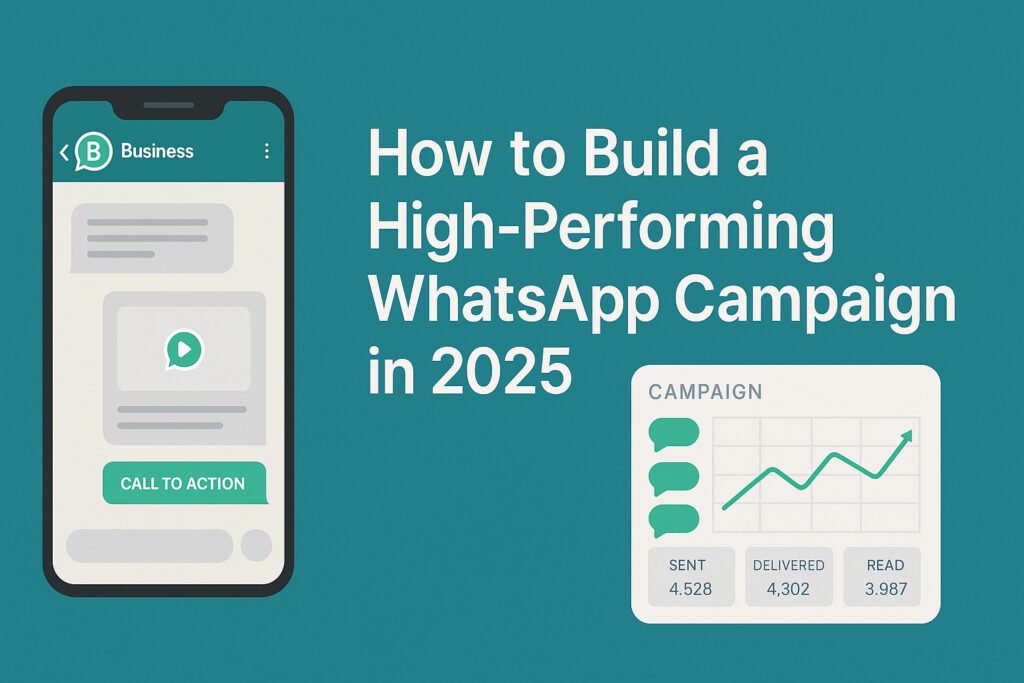
Introduction WhatsApp has emerged as one of the most impactful marketing channels in 2025, boasting unmatched open rates, real-time interactivity, and a massive global user base. For businesses looking to drive conversions and deepen customer relationships, creating a high-performing WhatsApp campaign is no longer optional—it’s essential. This guide will walk you through every step of building a successful campaign using the latest tools, strategies, and compliance standards. 1. Understanding WhatsApp Campaign Types (Promotional, Transactional, Conversational) WhatsApp campaigns fall into three main categories: Each type requires different message formats and approval via pre-approved templates for outbound messages. 2. Getting Started: API Setup & Access Businesses can choose between: API Requirements: You can use cloud-based or on-premises API solutions. In 2025, Meta has simplified onboarding through providers like TheBotMode. 3. Trend Spotlight: What’s New in 2025 4. Define & Segment Your Audience Use your CRM, website, or click-to-chat ads to build your opt-in list. Segment audiences by: Segmentation ensures relevance and improves engagement. 5. Template Design & Personalization Design templates that resonate with users: All outbound templates must be approved before use via Meta’s template review. 6. Timing & Scheduling Strategies Ensure frequency capping to avoid spam and high opt-out rates. 7. Rich Media & Interactive Messaging Enhance user experience using: Use multimedia to highlight USPs and product benefits quickly. 8. Automation vs Human Touch Leverage chatbots for: Hand off to human agents for: This hybrid model maximizes efficiency and customer satisfaction. 9. Compliance & Quality Control WhatsApp marketing is tightly regulated: 10. Analytics & Performance Optimization Track the following metrics: Use analytics dashboards provided by TheBotMode or Meta to refine your approach continuously. 11. Case Examples & Tools to Try Popular tools include: Use Cases: 12. Future Outlook: Ads & Monetization on WhatsApp WhatsApp will soon support: Integration with Meta’s ad suite allows for end-to-end user journeys starting from social ads to WhatsApp. Conclusion & Next Steps WhatsApp campaigns are indispensable in 2025. With the right API access, strategic segmentation, interactive content, and robust analytics, businesses can drive unmatched engagement and conversions. Next Steps: FAQs Do I need API or can I use the App? For large-scale or automated campaigns, API is required. The app is sufficient for basic manual outreach. How many messages can I send per day? Message limits depend on your quality rating and verified status. API tiers define your daily cap. Is WhatsApp campaign marketing legal in India? Yes, if you follow opt-in rules and DPDPA data protection laws. Can I add images and videos to messages? Yes, WhatsApp supports rich media in both transactional and promotional messages via the API.
WhatsApp Product Catalog Best Practices for Shopify Stores in 2025
Introduction In 2025, WhatsApp has emerged as a vital growth channel for D2C eCommerce brands—especially those powered by Shopify. With exceptionally high engagement rates and real-time customer interactions, integrating your product catalog with WhatsApp is no longer a nice-to-have; it’s a necessity. This blog outlines the best practices for building and optimizing a WhatsApp product catalog tailored to Shopify stores. The goal? To enhance product discovery, drive conversions, and deliver a seamless mobile-first shopping experience. Why WhatsApp Catalogs Matter for Shopify Sellers A WhatsApp product catalog enables your brand to showcase items directly within customer chats. Shoppers can view, inquire about, and even purchase products without ever leaving WhatsApp. For D2C brands, this results in: Best Practices to Set Up a WhatsApp Catalog for Shopify 1. Connect Shopify with a Verified WhatsApp Business API Start by verifying your WhatsApp Business account. Then integrate your Shopify product database using TheBotMode’s API connector. Key Benefits: 2. Organize Products into Smart Categories Keep your catalog easy to navigate. Group products based on shopping behavior and UX simplicity: 3. Use High-Quality Images and Descriptive Copy Make every listing count. Ensure your products are: 4. Include Clear CTAs and Direct Purchase Links Every product in your catalog should feature: 5. Enable Smart Filters and Quick Replies Improve UX with features that support quicker browsing and selection: This is especially helpful for mobile-first shoppers in India and other D2C markets. Best Timing for Sharing WhatsApp Catalogs Based on TheBotMode’s data, optimal send times for catalog campaigns are: Avoid early mornings or late nights to reduce opt-outs and avoid being marked as spam. Optimize for Local and Global Shoppers If your Shopify store serves customers across regions: Use Catalog Analytics to Improve Performance Monitor and improve your product catalog strategy by tracking: TheBotMode’s analytics dashboard provides real-time insights to help you refine catalog structure, offers, and timing. Conclusion Optimizing your WhatsApp product catalog is one of the most strategic moves for Shopify-based D2C brands in 2025. It delivers a mobile-first, frictionless, and engaging shopping experience—right where your customers are. With TheBotMode’s automation, analytics, and seamless Shopify integration, you can build a high-performance WhatsApp catalog engine that boosts visibility and drives sales around the clock. FAQs Q1: What is a WhatsApp product catalog? A WhatsApp catalog is a digital storefront embedded in WhatsApp chats that allows businesses to display products with descriptions, prices, and direct links. Q2: Can I integrate my Shopify store with WhatsApp? Yes. Using TheBotMode’s integration, you can sync products directly from your Shopify store into WhatsApp via the official Business API. Q3: How many products can I add to a WhatsApp catalog? You can list up to 500 products, but for best user experience, prioritize your top-performing categories. Q4: Can customers buy directly from WhatsApp? Yes. Each catalog item can include a direct Shopify checkout link, allowing instant transactions within chat. Q5: Is WhatsApp catalog marketing compliant in India? Yes, as long as your business follows WhatsApp’s commerce policy and messages are sent to users who have opted in.
How to Use WhatsApp for Smart Upselling in 2025
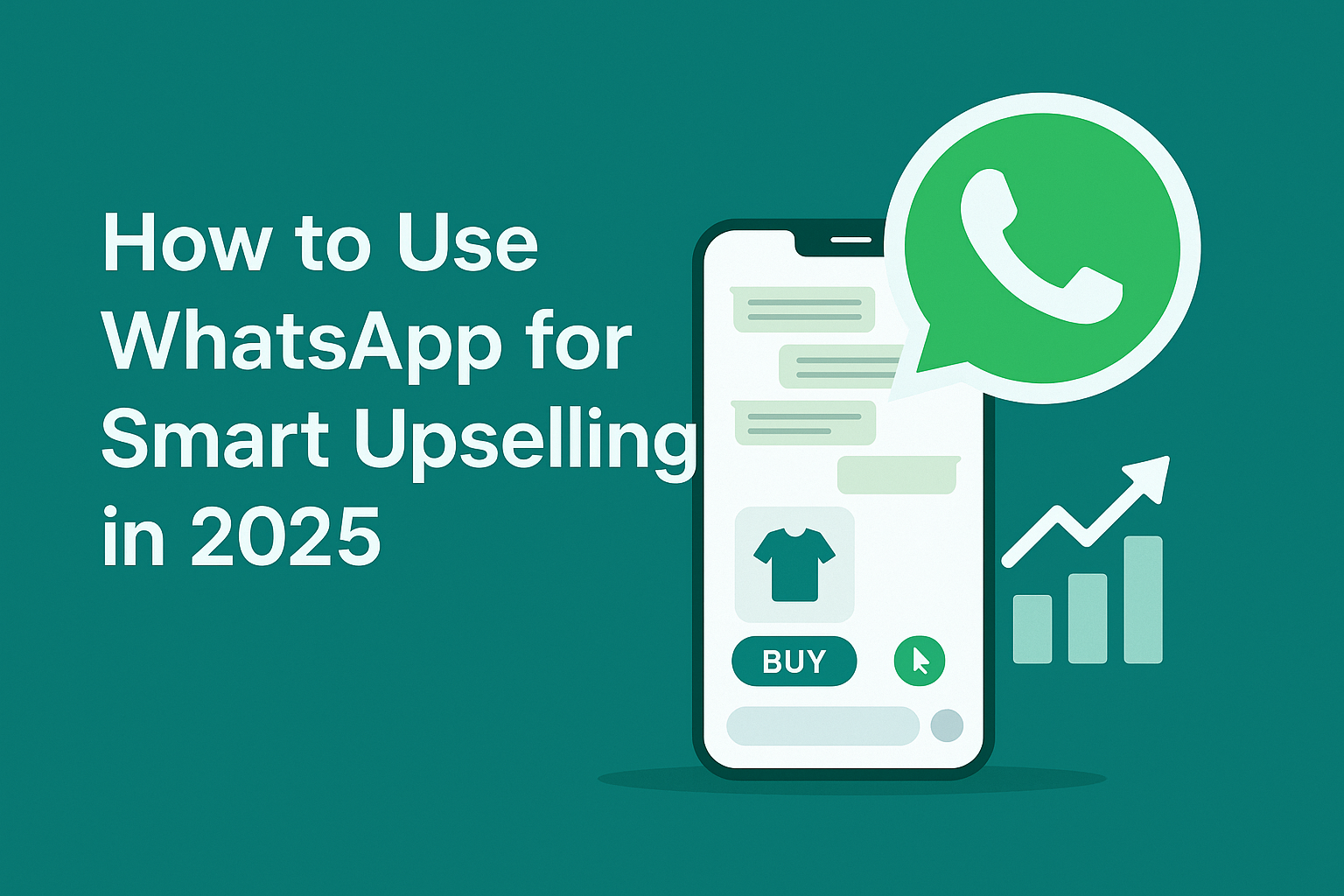
Introduction WhatsApp isn’t just for chatting—it’s become a powerhouse for conversational commerce. With over 2.5 billion+ users and up to 98 % message open rates, brands can now convert chats into sales . Yet many businesses miss the opportunity to use WhatsApp as a direct upselling channel. This blog reveals how to implement smart, personalized upsells using The Bot Mode, ensuring real growth in 2025. Why Upselling via WhatsApp Works in 2025 Key WhatsApp Features to Leverage Best Practices for Smart Upselling Upselling Scenarios & Campaign Ideas Scenario Smart Upsell Tactic Abandoned Cart Send chat reminders + suggest a premium bundle Post-Purchase Recommend complementary add-ons in the confirmation chat Order Confirmation Immediately present discounts on future upgrades Broadcast Campaigns Share curated new collections or limited-time offers Metrics to Track for ROI Track these in your Bot Mode dashboard for data-backed optimization: Tools & Integrations via The Bot Mode Step-by-Step Smart Upselling Blueprint Real-Life Case Study A direct-to-consumer brand used The Bot Mode’s API upsell flow and saw a 27 % increase in average order value, thanks to targeted post-purchase add-ons and catalog-driven messages. Conclusion & Call to Action Smart upselling on WhatsApp now means delivering personalized, well-timed offers through end-to-end automated chat flows. With The Botmode, you’re equipped to boost AOV, retention, and revenue, starting with just one upsell flow this week. 🔗 Dive deeper: WhatsApp for Upselling Guide Ready to launch? Start your WhatsApp API upsell flow today! FAQs 1. What upselling messages work best on WhatsApp? Use concise messages featuring product images, clear CTAs, and urgency tags like “Limited stock!” 2. How often should I send upsell messages? The ideal frequency is 1–2 flows per buyer session, such as cart abandonment or post-order. 3. Can The Botmode fully automate upsells? Absolutely. The platform supports full API-driven automation with fallback to human agents when needed.