WhatsApp for D2C
WhatsApp for D2C: Traffic‑Boosting Campaign Tactics You Can Implement Today Introduction In 2025, WhatsApp has become a conversion engine for D2C brands—powered by up to 98% open rates and 45–60% click-through rates, far outperforming email and SMS.This blog unpacks proven campaign tactics—focused on opt‑in, segmentation, automation, rich media, ads, payments, and analytics—that D2C brands can launch today to boost web traffic and sales. 1. Opt‑In Strategy: Foundation of Trust & Compliance WhatsApp mandates explicit opt‐in consent for marketing messages. Brands must collect and store consent via checkout flows, website pop‑ups, social channels, QR codes, and packaging inserts. This ensures compliance and higher engagement.Tips: 2. Segmentation & Personalization to Drive Engagement Segment contacts by behavior, purchase history, and demographics—including dynamic fields like names or previous purchases—to create messages that feel deeply personal. Personalization boosts engagement: nearly 72% of consumers engage more with personalized marketing messages.Strategic segmentation elevates both open and reply rates, driving more traffic and conversions. 3. Automation & Drip Campaigns for Scale Automate touchpoints with chatbots and workflow engines for: These interventions lower friction and replace manual outreach with scalable, personalized flows—with human-handover options for complex cases. 4. Rich Media & Conversational Campaign Content WhatsApp supports clickable buttons, product catalogs, PDFs, images and quick-reply options—all ideal for driving click-throughs to your site.Use broadcasts creatively: immersive storytelling, behind-the-scenes peeks, flash offers, or polls/quizzes to encourage replies and website visits. 5. Click‑to‑WhatsApp Ads & Conversational Lead Gen Run Click‑to‑WhatsApp ads on Facebook, Instagram, or your website to initiate conversations seamlessly. Prospects land directly in chat—now you can capture their name, phone number, and guide them to your site or product pages via interactive flows. 6. Payments & In‑Chat Checkout Enable in‑chat payments using UPI, Razorpay, WhatsApp Pay (especially effective in India), or payment links. This removes checkout friction and boosts conversions by keeping users inside WhatsApp rather than redirecting them. 7. Timing, Analytics & Continuous Optimization Send messages during peak engagement windows, not off-hours. Track metrics like delivery rate, open rate, CTR, reply rate, opt‑out rate, and conversions from WhatsApp chats to your site.Use A/B testing for timing, segmentation, CTA formats, and message content to optimize continuously. 8. Avoid Common WhatsApp Marketing Pitfalls Don’t broadcast unsolicited messages or reuse stale content. Avoid disreputable tools. Stick with providers using the official WhatsApp Business API to ensure deliverability, compliance, and analytics capability.Treat WhatsApp as a two-way channel, not a one-off broadcast list. 9. Real‑World D2C Examples That Drive Growth Conclusion WhatsApp isn’t just a support channel—it’s a full-funnel traffic and conversion powerhouse. By implementing compliant opt‑in, segmentation, smart automation, rich media campaigns, conversational ads, and integrated payments—and optimizing through analytics—you can drive significant website traffic and bottom-line growth now. Ready to launch? Let TheBotMode support your next WhatsApp campaign with tools, templates, and a conversion-focused strategy. FAQs Q: What makes WhatsApp marketing effective for D2C brands? WhatsApp delivers 98% open rates and 45–60% click-throughs, with 66% of users making a purchase after chatting with a brand—offering unmatched engagement compared to email or SMS. Q: How do I comply with opt‑in rules? Collect explicit consent during checkout or via pop‑ups/QR codes, inform customers what they’re subscribing to, enable easy opt‑out, and keep records to ensure compliance. Q: Which WhatsApp campaigns convert best? Campaigns with automation for cart recovery, welcome flows, query replies, and personalized promotions tend to outperform. Using rich media + CTA buttons further drives traffic. Q: How can I measure traffic from WhatsApp campaigns? Use platforms with built-in analytics to track delivery, CTR, opt-out, and conversions tied to chat links or promo codes. A/B test subject lines, timing, and segment variants. Q: Which tools support WhatsApp marketing for D2C brands? Choose providers that support the WhatsApp Business API, offer analytics, automation workflows, payment links, and template message support—ensuring compliance and scale.
How to Set Up COD‑to‑Prepaid via WhatsApp API (Step‑by‑Step)
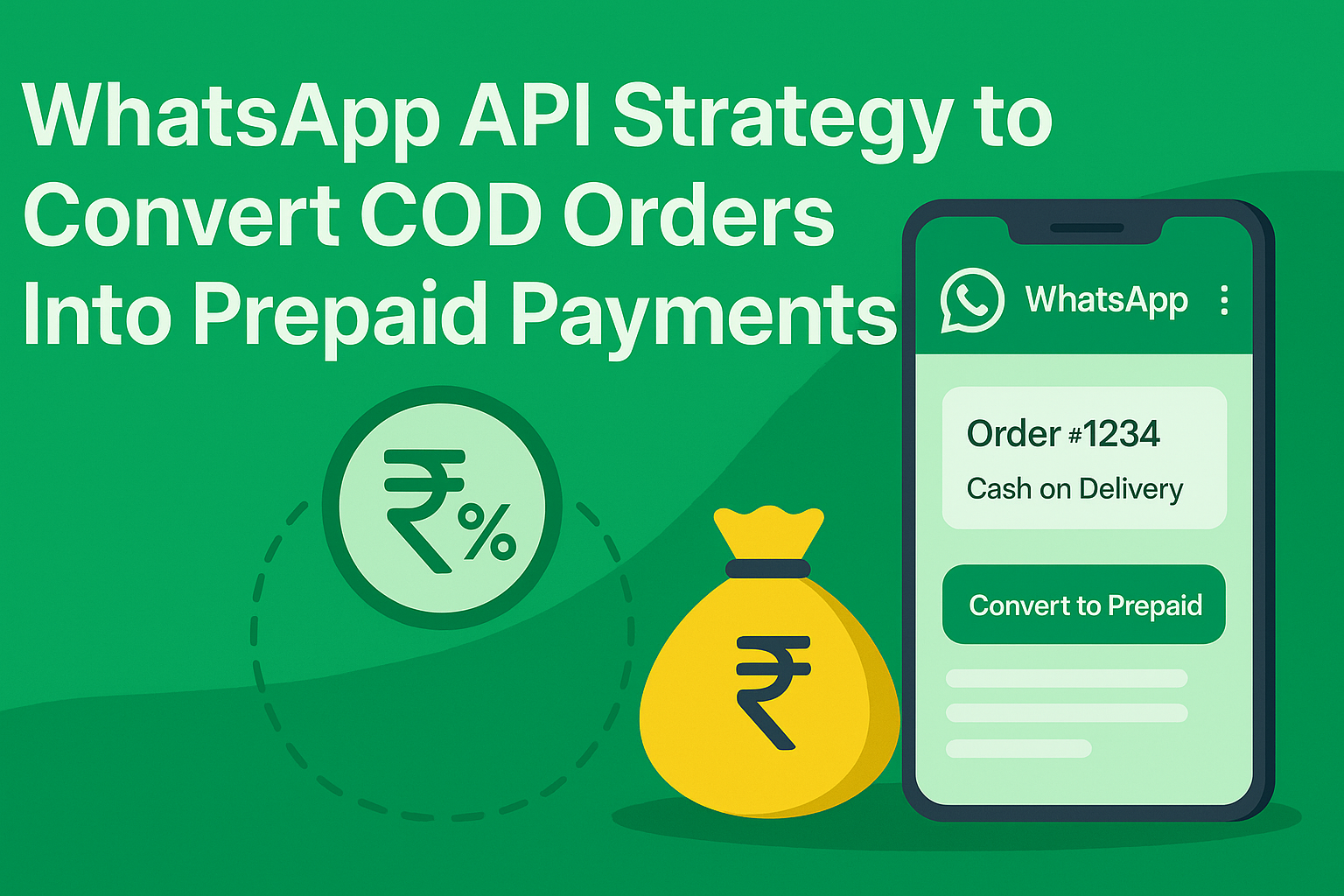
How to Set Up COD‑to‑Prepaid via WhatsApp API (Step‑by‑Step) Step 1: Choose Our Automation Platform Platforms like TheBotMode integrate with Shopify/WooCommerce, WhatsApp API, and payment gateways. Step 2: Configure Workflow & Templates Step 3: Payment Integration & Flow Logic Step 4: Launch Automation & Monitor Message Templates That Drive Conversion Example template frameworks (customize with your branding tone): Initial Nudge (0 hr): Hey [Name], your order #[OrderNumber] is confirmed. Prepay now and get ₹50 off + priority dispatch! Tap below to pay. [Pay Now] Reminder 1 (4 hrs): Quick reminder: ₹50 off offer ends soon. Prepay now: [Pay Now] Final Nudge (6 hrs): Last chance! Offer expires in 2 hrs. Secure your order now: [Pay Now] These follow-ups build urgency and clarity—Auric used this 3‑step structure and saw solid lift in conversions. Best Practices to Maximize Success & Reduce RTO 1. Incentives & Urgency Test flat vs. percentage discounts; highlight expiry to create FOMO. 2. Message Personalization Use buyer name and order ID to build trust—stronger than generic texts. 3. Pre‑confirm COD Intent Use OTPs or a quick WhatsApp opt‑in before launching conversion—cuts impulsive or fake orders. 4. Exclude High‑Risk Zones Leverage RTO analytics to disable COD options in poor-performing pin codes. 5. Monitor & Segment Track metrics closely by pincode, product, and customer. Handle exceptions manually or block repeat offenders. Metrics to Track (and Optimize) Metric Why It Matters COD → Prepaid Conversion Rate Gauge effectiveness of WhatsApp campaign RTO / NDR % Measure direct impact on return rates Incremental Prepaid Revenue Compare discounted vs. net gain Time to Payment Faster payments = better cash flow Message Read & Click Rates Optimize template/CTA for engagement Customer Satisfaction (CSAT/NPS) Ensure nudge flows don’t feel pushy Platforms like DelightChat and Interakt provide dashboards for these insights. Why TheBotMode Audience Should Care FAQ Q1: Will this work with Shopify or WooCommerce? Yes—platforms like DelightChat and Interakt sync both with Shopify and WooCommerce stores seamlessly. Q2: Do I need to offer a discount for conversions to work? Incentives improve conversion dramatically. Brands report 45–60% conversion when using discounts. Without a discount, conversions are still possible—just test messaging. Q3: How does the system know the customer paid? Payment links redirect to Shopify draft orders or Razorpay; once paid, the system tags and updates orders automatically. Q4: Can I tailor messaging by region or risk? Yes—most platforms let you segment templates by pincode or customer profile, allowing tailored flows for high-risk zones. Q5: What conversion rates should I expect? Standard is 5–10% for basic flows. With optimized drip campaigns (like Auric’s), brands have achieved 11% or higher, boosting prepaid volume by 27%. Conclusion Converting COD orders to prepaid via WhatsApp API is a smart, scalable way to reduce RTO, improve margins, and streamline fulfillment. With platforms like DelightChat, Interakt, AiSensy, or QuickReply.ai, you can automate this core workflow with minimal effort—and measurable returns. 🔗 Be sure to explore your internal tutorial: Convert COD Orders to Prepaid for implementation guidance. Step 1: Choose Our Automation Platform Platforms like TheBotMode integrate with Shopify/WooCommerce, WhatsApp API, and payment gateways. Step 2: Configure Workflow & Templates Step 3: Payment Integration & Flow Logic Step 4: Launch Automation & Monitor Message Templates That Drive Conversion Example template frameworks (customize with your branding tone): Initial Nudge (0 hr): Hey [Name], your order #[OrderNumber] is confirmed. Prepay now and get ₹50 off + priority dispatch! Tap below to pay. [Pay Now] Reminder 1 (4 hrs): Quick reminder: ₹50 off offer ends soon. Prepay now: [Pay Now] Final Nudge (6 hrs): Last chance! Offer expires in 2 hrs. Secure your order now: [Pay Now] These follow-ups build urgency and clarity—Auric used this 3‑step structure and saw solid lift in conversions. Best Practices to Maximize Success & Reduce RTO 1. Incentives & Urgency Test flat vs. percentage discounts; highlight expiry to create FOMO. 2. Message Personalization Use buyer name and order ID to build trust—stronger than generic texts. 3. Pre‑confirm COD Intent Use OTPs or a quick WhatsApp opt‑in before launching conversion—cuts impulsive or fake orders. 4. Exclude High‑Risk Zones Leverage RTO analytics to disable COD options in poor-performing pin codes. 5. Monitor & Segment Track metrics closely by pincode, product, and customer. Handle exceptions manually or block repeat offenders. Metrics to Track (and Optimize) Metric Why It Matters COD → Prepaid Conversion Rate Gauge effectiveness of WhatsApp campaign RTO / NDR % Measure direct impact on return rates Incremental Prepaid Revenue Compare discounted vs. net gain Time to Payment Faster payments = better cash flow Message Read & Click Rates Optimize template/CTA for engagement Customer Satisfaction (CSAT/NPS) Ensure nudge flows don’t feel pushy Platforms like DelightChat and Interakt provide dashboards for these insights. Why TheBotMode Audience Should Care FAQ Q1: Will this work with Shopify or WooCommerce? Yes—platforms like DelightChat and Interakt sync both with Shopify and WooCommerce stores seamlessly. Q2: Do I need to offer a discount for conversions to work? Incentives improve conversion dramatically. Brands report 45–60% conversion when using discounts. Without a discount, conversions are still possible—just test messaging. Q3: How does the system know the customer paid? Payment links redirect to Shopify draft orders or Razorpay; once paid, the system tags and updates orders automatically. Q4: Can I tailor messaging by region or risk? Yes—most platforms let you segment templates by pincode or customer profile, allowing tailored flows for high-risk zones. Q5: What conversion rates should I expect? Standard is 5–10% for basic flows. With optimized drip campaigns (like Auric’s), brands have achieved 11% or higher, boosting prepaid volume by 27%. Conclusion Converting COD orders to prepaid via WhatsApp API is a smart, scalable way to reduce RTO, improve margins, and streamline fulfillment. With platforms like DelightChat, Interakt, AiSensy, or QuickReply.ai, you can automate this core workflow with minimal effort—and measurable returns. 🔗 Be sure to explore your internal tutorial: Convert COD Orders to Prepaid for implementation guidance.
WhatsApp Blue Tick Benefits
WhatsApp Blue Tick Benefits: From Verification to Increased Engagement Introduction For D2C brands, building trust and fostering engagement are daily challenges. That’s where the WhatsApp Blue Tick comes in. A verified business account not only signals authenticity but also unlocks powerful features designed to boost open rates, streamline customer support, and ultimately drive sales. In this blog, we’ll explore exactly what the Blue Tick is, why it matters, and how you can apply for one right here on TheBotMode. Understanding the WhatsApp Verified Business Account What Is the Blue Tick vs. Green Tick? Eligibility Criteria Top Benefits of the WhatsApp Blue Tick for D2C Brands 1. Building Customer Trust and Credibility 2. Enhanced Brand Visibility and Recognition 3. Improved Customer Engagement 4. Streamlined Communication and Support Step-by-Step Application Process Prerequisites Application Steps Case Study: D2C Brand Success on TheBotMode Brand: GlowHive Skincare Maximizing Your Blue Tick Account Crafting Welcome Messages Leveraging Broadcast Lists Tracking Performance with Analytics Ready to Get Your Blue Tick? Give your D2C brand the credibility edge it deserves. Apply for a blue tick. Conclusion A WhatsApp Blue Tick is more than just a badge—it’s a trust accelerator, engagement booster, and brand differentiator all rolled into one. By following the steps above and leveraging advanced features like quick replies and bots, D2C brands can transform customer interactions into meaningful relationships that drive repeat business. Frequently Asked Questions What’s the difference between the Blue Tick and Green Tick? The Green Tick is the default label for any business on the WhatsApp Business App, while the Blue Tick indicates a fully verified and notable brand. How long does verification take? Expect 5–7 business days for Meta to review and approve your application. Can small D2C brands qualify? Absolutely—if you meet the eligibility criteria (Business Manager verification, policy compliance, and notability). Is there a fee for verification? There’s no direct fee for the Blue Tick itself, though some regions require a Meta Verified subscription for certain verification pathways.
How to Set Up Auto-Replies on WhatsApp for Faster Customer Support
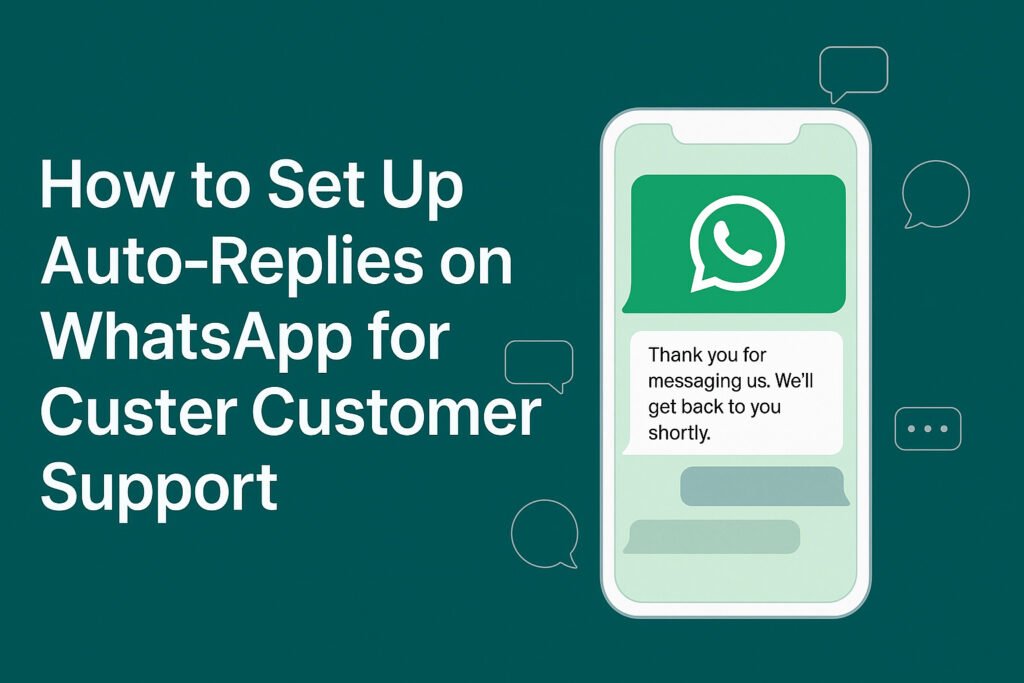
Introduction In the fast-paced world of D2C commerce, slow response times can lead to lost sales and frustrated customers. WhatsApp has emerged as one of the most powerful communication channels for D2C brands—but managing hundreds of messages daily can quickly overwhelm your support team. This is where auto-replies come in. By setting up automated responses, you can instantly handle customer inquiries, answer FAQs, and provide support—even outside working hours. In this blog, you’ll learn how to set up auto-replies on WhatsApp and how TheBotMode enables D2C brands to deliver faster, smarter customer support. Step 1: Choose the Right WhatsApp Business Platform WhatsApp offers two versions for businesses: If your brand is scaling or requires advanced workflows, the WhatsApp Business API (integrated with TheBotMode) is the preferred option. Step 2: Set Up Auto-Replies in the WhatsApp Business App For brands using the free WhatsApp Business App, setting up auto-replies is quick: You can also set Quick Replies for FAQs: This helps manage common questions efficiently. Step 3: Use TheBotMode with WhatsApp API for Advanced Automation For D2C brands using the WhatsApp API, TheBotMode unlocks powerful auto-reply capabilities: This creates a responsive and personalized experience that scales with your business. Step 4: Design Auto-Reply Flows for Customer Journeys Here’s an example of an auto-reply flow used by successful D2C brands on TheBotMode: This reduces agent workload and delivers faster resolutions. Step 5: Monitor Performance with Analytics TheBotMode’s dashboard provides actionable insights, including: These metrics help you improve support efficiency and continuously refine your auto-reply logic. Benefits of WhatsApp Auto-Replies for D2C Brands Conclusion Setting up auto-replies on WhatsApp isn’t just about efficiency—it’s about creating an always-on customer experience that drives growth. Whether you’re using the WhatsApp Business App or integrating with the API, TheBotMode helps D2C brands automate conversations, provide instant support, and deliver seamless experiences at scale. Ready to level up your customer service? Let TheBotMode help you set up intelligent auto-replies that keep your brand responsive, professional, and available 24/7. FAQs Q1. Can I set auto-replies during non-working hours only? Yes, both the WhatsApp Business App and API support scheduled messages based on your business hours. Q2. Do auto-replies work in multiple languages? Yes. With TheBotMode, you can automatically detect the user’s language and respond accordingly. Q3. What makes TheBotMode different from other WhatsApp tools? TheBotMode is purpose-built for D2C brands, offering eCommerce-specific features like automated order tracking, payment handling, product catalogs, and customizable workflows—all in one powerful solution.
Top Mistakes D2C Brands Make with WhatsApp Automation — and How to Fix Them
WhatsApp automation has quickly become a game-changer for D2C brands in India and around the world. With consumers increasingly preferring instant messaging over traditional emails or mobile apps, WhatsApp delivers unmatched engagement and conversion potential. But here’s the catch — when not executed correctly, automation can do more harm than good. From account bans to low engagement, D2C brands often fall into avoidable traps. In this blog, we’ll break down the most common WhatsApp automation mistakes and share practical solutions to help you drive better results with confidence and compliance. 1. Sending Bulk Messages Without Opt-in Mistake: Broadcasting messages to users who haven’t explicitly opted in.Impact: Violates WhatsApp’s Business Policy and can lead to account suspension or message delivery blocks. Fix: Always collect user consent before sending marketing messages. Use website pop-ups, checkout opt-ins, or Click-to-WhatsApp ads. Platforms like TheBotMode offer consent-based automation that ensures 100% compliance. 2. No Personalization in Message Flows Mistake: Using generic, one-size-fits-all templates such as “Hi, Buy Now!”.Impact: Poor engagement, low open rates, and increased opt-outs. Fix: Personalize every message with dynamic fields like customer name, product name, or order ID. Segment users based on behavior and lifecycle. For example:“Hi [Name], your order #[OrderID] is ready. Should we ship it today?” 3. Not Using Cart Recovery Automation Mistake: Ignoring cart abandoners in your WhatsApp flow.Impact: Missed opportunity to recover 60–70% of potential sales. Fix: Set up automated cart recovery messages triggered at intervals (e.g., 1 hour, 6 hours, and 24 hours post-abandonment). Include urgency or a small incentive. TheBotMode enables seamless Shopify cart recovery with zero manual setup. 4. Poor Timing of Campaign Messages Mistake: Sending messages at odd hours or when customers are inactive.Impact: Low visibility, muted responses, and user irritation. Fix: Schedule messages based on customer location and behavior patterns. Most D2C shoppers respond best between 10 AM–1 PM or 6 PM–8 PM. TheBotMode’s smart scheduler handles this automatically. 5. Over-Automating Conversations Mistake: Relying entirely on chatbots for every interaction.Impact: Frustrated customers, unresolved issues, and lost trust. Fix: Use a hybrid approach — automation for FAQs, order tracking, and payments, and human agents for complex queries. Always include an easy “Talk to a real person” option in your flow. 6. Not Leveraging Broadcast Segmentation Mistake: Sending the same message to all users — new visitors, loyal buyers, and inactive leads.Impact: Wasted message credits, poor CTR, and increased opt-outs. Fix: Segment your audience and tailor your broadcast: TheBotMode supports advanced segmentation out-of-the-box. 7. Ignoring Green Tick Verification Mistake: Skipping or delaying WhatsApp Business verification.Impact: Reduced brand credibility and lower response rates. Fix: Apply for WhatsApp Green Tick Verification early. Verified accounts display your brand name instead of a phone number — leading to higher trust and engagement. TheBotMode offers full assistance with this process. Conclusion WhatsApp automation, when done right, can be a growth engine for D2C brands. But ignoring the basics can hurt performance, reduce trust, and risk compliance issues. By avoiding these common mistakes and applying the right strategies, you can transform WhatsApp into your highest-converting channel — one message at a time. FAQs Q: What is the biggest mistake in WhatsApp automation for D2C brands? A: The most critical mistake is sending messages without proper user opt-in, which violates WhatsApp’s policy and can lead to account restrictions. Q: How can I improve engagement on WhatsApp? A: Focus on personalization, behavior-based segmentation, and optimal message timing to drive better engagement. Q: Is Green Tick Verification necessary for small brands? A: While not mandatory, it adds significant trust and is highly recommended for businesses of all sizes. Q: Can TheBotMode help with automation setup? A: Absolutely. TheBotMode offers end-to-end WhatsApp automation, including campaign tools, behavioral segmentation, cart recovery, smart scheduling, and Green Tick assistance.
WhatsApp API Strategies to Drive D2C Brand Conversions
Introduction In today’s fiercely competitive D2C landscape, brands must leverage every tool to boost engagement and sales. With over 2 billion active users and open rates approaching 98%, WhatsApp Business API has emerged as a game‑changer for conversational commerce. This blog explores proven strategies—cart recovery, conversational catalogs, click‑to‑WhatsApp ads, chatbots, and payments—to help D2C brands convert more effectively. Discover how TheBotMode can facilitate this transformation with seamless integrations and automation. What Is the WhatsApp Business API? Unlike the standalone WhatsApp Business App, which is limited to a single device, the API (also known as the WhatsApp Business Platform) is built for scalability, multi-agent access, CRM integration, and advanced automation. It also enables a verified green badge, centralized logs, and enterprise-level messaging power, making it essential for growing D2C brands. Key Benefits for Driving Conversions Conversion‑Boosting Strategies 1. Automate Order Notifications & Cart Recovery Send triggered updates—order confirmations, shipping notices, low‑stock alerts—to reduce friction. Proactively reach out when carts are abandoned with personalized nudges and CTAs like “Complete your purchase now”. 2. Implement Conversational Commerce with Catalogs Engage customers directly in WhatsApp by showcasing catalogs, carousels, and quick replies. This transforms WhatsApp from a chat tool into a transactional storefront. 3. Deploy Click‑to‑WhatsApp Ads Use Meta ads to funnel leads straight into one‑to‑one conversations. Brands report 3× higher lead conversions using this strategy. 4. Run Broadcasts & VIP Communities Segment audiences to share promotions, restocks, or early‑access offers. VIP WhatsApp groups build community and exclusivity. 5. Enable Native Payments Integrate UPI or in‑chat card payments to streamline checkout and reduce cart abandonment—the U.S. market already sees broad adoption. 6. Use AI‑Driven Chatbots with Human Handoff Set up chatbots that respond 24/7, answer FAQs, route intents, then escalate to a human agent for complex queries—boosting efficiency and CX. Implementation Best Practices Success Stories & Market Trends Brands across emerging and mature markets rely on WhatsApp for growth: from Nigeria’s Torlowei to Brazil’s Lahara, many have seen sales surges of 70%+. Indian D2C brands also leverage chat commerce across diverse regions, while U.S. businesses embed APIs for transactional messaging and real-time support. As AI and omnichannel orchestration gain momentum, WhatsApp API is becoming the backbone of next-gen CX strategy. How TheBotMode Can Help At thebotmode.com, we specialize in: Our solutions help D2C brands implement high-impact strategies quickly and at scale. Conclusion & Next Steps WhatsApp Business API offers unmatched potential for D2C brand conversions—through timely notifications, conversational commerce, chat-based ads, and seamless payments. To begin: Start small, scale strategically, and watch your conversational commerce buzz—and your revenue—grow. FAQs Q1. When should a brand move from app to API? Once daily WhatsApp volume hits ~50–100 chats, or when multi-agent support, automation, CRM integration, scalable broadcast, and verification matter. Q2. What are the costs? Includes Meta conversation/message fees and BSP subscription—typically offset quickly by improved conversions. Q3. Can small D2C brands use Cloud API? Absolutely—cloud API is ideal for brands seeking fast, cost-effective setup without server management. Q4. Is WhatsApp commerce secure? Yes—end-to-end encryption, template checks, opt-in, and identity verification ensure high security. Q5. How soon can ROI be expected? Many brands begin seeing results within weeks—especially from cart recovery and click-to-WhatsApp campaigns.
Future of Marketing Automation: WhatsApp, AI & Chatbots
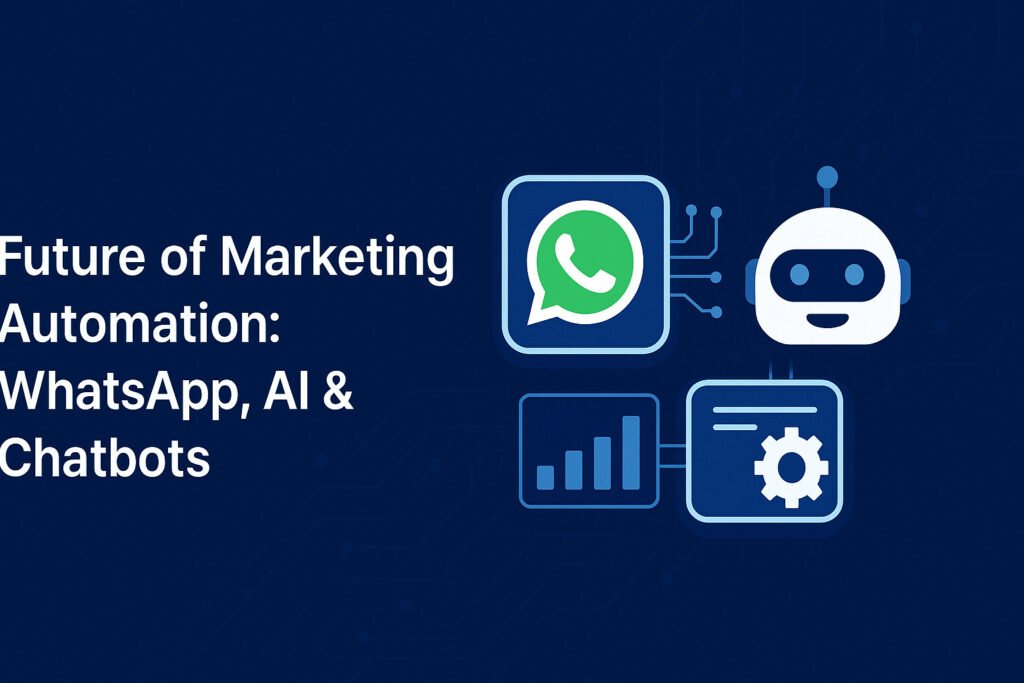
Introduction In 2025, the question isn’t whether you should automate your marketing—it’s how intelligently you do it. As consumers demand instant communication and tailored experiences, platforms like WhatsApp, when powered by AI and chatbot technology, have become essential for direct-to-consumer (D2C) brands. This article explores how WhatsApp Business API, artificial intelligence, and intelligent automation are redefining marketing strategies for eCommerce and D2C brands. 1. The Rise of Conversational Commerce Traditional email campaigns and static websites are no longer enough. Today’s consumers expect real-time interaction and personalized experiences across channels they already use—like WhatsApp. Conversational commerce enables real-time, two-way interaction between brands and customers. WhatsApp, being the most widely used messaging app, is at the heart of this transformation, allowing brands to humanize automation and build relationships at scale. 2. Why WhatsApp Business API Is Leading the Change The WhatsApp Business API empowers brands to scale their communication while remaining compliant and efficient. Its core features include: These capabilities allow brands to connect with customers in real time. When integrated with AI-driven flows, the API becomes a conversion tool that replicates human conversation—without human limitations. 3. Role of AI in Marketing Automation AI has evolved from a predictive tool into an interactive force. Here’s how it is driving the future of automation: When combined with WhatsApp, AI ensures that each campaign is timely, personalized, and optimized for performance. 4. Chatbots: The Always-On Sales Representatives AI-powered WhatsApp chatbots are more than support tools—they’re frontline sales agents. With the right design, they can: A well-built chatbot not only saves time but actively drives conversions throughout the customer journey. 5. Real Use Case: How D2C Brands Are Winning with Automation TheBotMode enables D2C brands to build intelligent automation on WhatsApp using AI chatbots. Here’s a typical flow: The result? Higher engagement, lower abandonment, and improved return on investment (ROI). 6. Future-Proofing Your Brand with Automation In a competitive landscape, brands that leverage multi-layered automation—combining WhatsApp, AI, chatbots, and real-time analytics—will lead the market. Key advantages include: Future-ready brands don’t wait for trends—they build with them in mind. Final Thoughts The future of marketing automation is real-time, AI-driven, and personalized. WhatsApp, combined with TheBotMode’s automation engine, helps D2C brands build high-performing customer experiences that are scalable, smart, and effective. Marketing is no longer about one-way messages—it’s about conversations that convert. FAQs Q1. Is WhatsApp Business API better than the regular app for automation? Yes. The API offers advanced features like automation, chatbots, and scalability, which are not possible on the regular WhatsApp Business App. Q2. Can small D2C brands afford WhatsApp automation? Absolutely. Platforms like TheBotMode offer flexible, scalable solutions that work for startups as well as high-growth brands. Q3. How does AI improve WhatsApp marketing? AI enables dynamic, personalized messaging, predicts customer behavior, and enhances campaign performance through continuous learning. Q4. What industries can benefit from WhatsApp marketing automation? E-commerce, fashion, personal care, healthcare, education, and local services all benefit from WhatsApp automation.
Top WhatsApp Marketing Trends Every Brand Must Know
Introduction In 2025, WhatsApp marketing has evolved into a primary channel for D2C brands aiming to connect with customers at scale. With over 2 billion active users and widespread adoption of the WhatsApp Business API, brands are utilizing the platform for everything from customer service and cart recovery to personalized promotions and payments. In this blog, we’ll uncover the top WhatsApp marketing trends that are redefining the future of eCommerce and customer engagement in 2025. 1. WhatsApp Automation for Faster Customer Engagement With rising expectations for instant support, automation is no longer a nice-to-have—it’s a necessity. Brands are deploying WhatsApp chatbots to handle FAQs, process order tracking requests, and qualify leads in real time. Why it matters: 2. AI-Powered Personalization D2C brands are integrating AI and machine learning into their WhatsApp strategy to deliver hyper-personalized messages. From product suggestions to timely reminders, these systems respond intelligently to user behavior, preferences, and purchase history. Trend impact: 3. Catalog and One-Click Shopping via WhatsApp The WhatsApp Business Catalog allows users to browse and buy directly within the app. Brands can showcase products with images, pricing, and descriptions, and even integrate with one-click checkout flows. Benefits: 4. Automated Order Updates and Cart Recovery Brands are leveraging WhatsApp for transactional updates such as: These updates improve transparency and reduce WISMO (“Where Is My Order”) queries. 5. WhatsApp Retargeting and CRM Integration By connecting WhatsApp with CRMs, brands can sync customer data to run highly targeted campaigns. You can segment audiences based on behavior, location, and purchase history to retarget cold leads and improve conversions. 6. Voice Notes and Multimedia Messaging Brands are adopting rich media formats—like videos, voice notes, and PDFs—for tutorials, product launches, and welcome messages. These formats capture attention better than plain text and humanize communication. 7. Consent-Driven Marketing and Compliance WhatsApp’s 2025 policies require strict opt-in mechanisms and easy opt-outs. Brands must follow consent-first strategies to remain compliant with GDPR and India’s DPDP regulations. Key takeaway: 8. Regional and Multilingual Campaigns Brands are reaching deeper into Tier 2 and Tier 3 cities by running campaigns in regional languages such as Hindi, Tamil, Bengali, and Marathi. Multilingual marketing ensures relevance and stronger emotional connection. 9. WhatsApp Click-to-Chat Ads Meta’s Click-to-WhatsApp ads continue to rise in popularity. These ads, shown on Facebook or Instagram, open a direct chat with the brand—accelerating lead capture and real-time engagement. 10. Integration with Payment Systems With UPI integration, WhatsApp is now a complete commerce platform. Customers can: Conclusion As customer behavior evolves, WhatsApp will remain central to digital-first engagement. Brands that adopt these trends—automation, personalization, compliance, and localization—will outperform competitors by delivering faster, more relevant, and frictionless experiences. 2025 marks a turning point in WhatsApp’s transformation from a messaging app into a full-fledged commerce and customer engagement engine. FAQs What are the top WhatsApp marketing trends in 2025? The leading trends include automation, AI-driven personalization, WhatsApp catalogs, CRM retargeting, multilingual messaging, and payment integrations. How can D2C brands benefit from WhatsApp marketing? WhatsApp enables brands to automate support, recover abandoned carts, personalize outreach, and boost repeat purchases, all while maintaining real-time interaction. Is WhatsApp marketing better than email marketing? WhatsApp campaigns often see significantly higher open and response rates than email, making it ideal for mobile-first, time-sensitive, and conversational engagement. Are WhatsApp campaigns GDPR and DPDP compliant? Yes—if brands follow opt-in requirements, provide clear consent, and offer opt-out options, they can remain compliant with both GDPR and India’s Data Protection Bill.
Top WhatsApp Marketing Automation Tools Every D2C Brand Needs
Introduction WhatsApp is now the most powerful direct-to-consumer channel—with 98% open rates and real-time delivery. But it’s not just about sending messages; it’s about building meaningful customer journeys. That’s where The Bot Mode steps in. Designed for D2C brands, The Bot Mode offers end-to-end WhatsApp marketing automation, converting conversations into conversions with ease. In this blog, you’ll explore why The Bot Mode is the must-have automation tool for WhatsApp marketing and how it stacks up against generic platforms. Why WhatsApp Marketing Automation is Vital for D2C Brands Key Features of The Bot Mode for D2C Brands Use Cases: How D2C Brands Win with The Bot Mode Why The Bot Mode Outperforms Traditional WhatsApp Tools Feature The Bot Mode Generic Tools D2C Specialization ✅ Yes ❌ No Built-in eCommerce Flows ✅ Shopify/WooCommerce Ready ❌ Limited integrations Smart Chatbot Builder ✅ NLP & AI powered ⚠️ Basic templates Campaign Automation ✅ Drip, Segmented ⚠️ One-time blasts Compliance Support ✅ GDPR-ready ⚠️ Requires manual setup Best Practices to Maximize The Bot Mode’s Impact Future Trends in WhatsApp Marketing You Can Leverage with The Bot Mode Conclusion For D2C brands, WhatsApp is more than a messaging app—it’s a full-fledged conversion channel. The Bot Mode offers the automation backbone you need to scale customer communication, increase conversions, and reduce support costs. Whether you’re just launching or scaling globally, The Bot Mode adapts to your growth and elevates your marketing game. FAQs Q1: What makes The Bot Mode ideal for D2C?It’s tailored for commerce—from cart recovery to reorder flows, all automated. Q2: Can I personalize my WhatsApp broadcasts?Yes, using tags like {{name}}, {{order_id}}, etc., within The Bot Mode. Q3: Is The Bot Mode API-based or no-code?Both. You can use its visual builder or API for deeper integrations. Q4: How fast can I go live?Most brands are up and running in under 72 hours. Q5: Is it GDPR-compliant?Absolutely. The Bot Mode follows all major data privacy protocols.
From Chat to Checkout: Optimizing Your WhatsApp Product Catalog
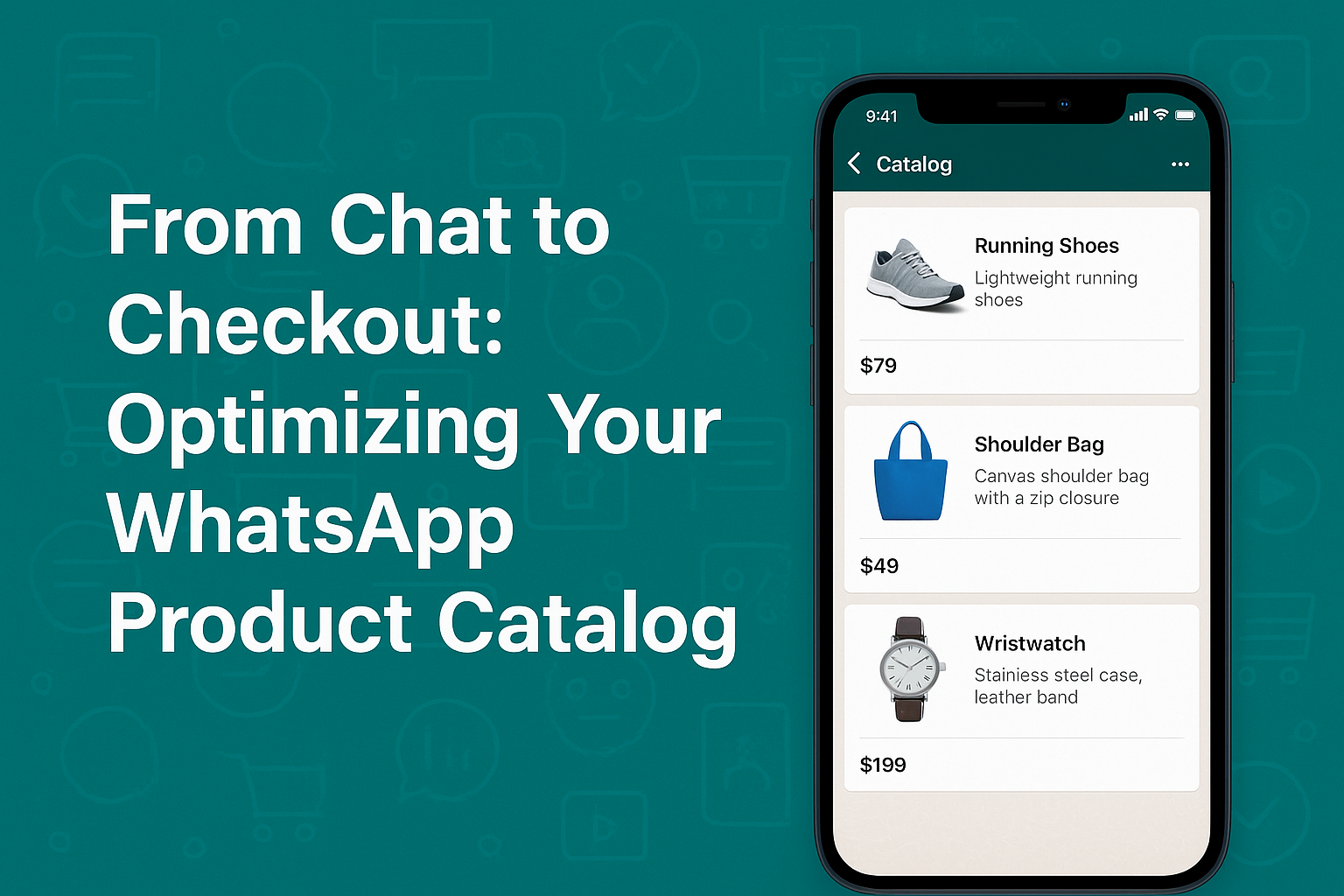
Introduction The way consumers shop is evolving rapidly, and conversational commerce is leading the charge. With over 2 billion users worldwide, WhatsApp Business offers a powerful tool for brands to showcase products, streamline discovery, and close sales—all within a single conversation. For modern businesses aiming to boost traffic and increase conversions, an optimized WhatsApp product catalog is no longer optional—it’s essential. What Is WhatsApp Product Catalog? WhatsApp’s product catalog is a built-in feature of WhatsApp Business that allows businesses to display up to 500 products or services. Each item includes: It acts as a mobile storefront, offering customers instant access to your products without leaving the app—making browsing and buying easier and faster. Why Your Business Needs an Optimized Catalog An optimized catalog helps you: In short, your catalog isn’t just a product list—it’s a conversion tool. Step‑by‑Step: Set Up with SEO & Voice‑Search in Mind 1. Access & Create Your Catalog Navigate to:WhatsApp Business > Business Tools > Catalog > Add New Item You can add items manually through the app or use WhatsApp Business Manager on desktop for larger uploads. 2. Prepare Optimized Assets 3. Publish & Get Approved WhatsApp auto-reviews your entries. Common rejections include: Keep descriptions honest, and re-upload any rejected content with corrections. Pro Tips: Optimize for Traffic & Conversions AEO & Voice‑Search Enhancements To rank for voice search and featured snippets: These steps align with how Google’s RankBrain and BERT algorithms understand natural language. Integration with The Botmode At The Botmode, we help businesses supercharge their WhatsApp catalogs by automating: Pairing your catalog with smart automation creates a seamless end-to-end experience—from chat to checkout. Conclusion Optimizing your WhatsApp product catalog is more than just an enhancement—it’s a strategy. From cleaner layouts to smarter automation and voice search readiness, each optimization step builds toward higher engagement and sales. Start crafting your catalog today and let The Botmode help you unlock its full power. FAQs 1. What is the maximum number of products I can add? You can add up to 500 products or services to your catalog. 2. How do I organize products into collections? Use the “Collections” feature in WhatsApp Business Tools to group related items for easier browsing. 3. Can I hide products temporarily? Yes, products can be marked as “Out of Stock” or unpublished without deleting them. 4. Will WhatsApp review my images? Yes, every product undergoes automated review to ensure it meets community guidelines. 5. How to share my catalog outside WhatsApp? You can share your catalog link via your website, email, social media, and QR codes.